10 Freelance Management Tools Compared: Which Ones Actually Deliver?
Managing a freelancing business means juggling clients, projects, invoices, and deadlines all at once. The right tools can make the difference between smooth operations and constant chaos. But with so many options available, how do you know which ones are worth your time and money? This list compares ten essential management tools for freelancers, weighing their strengths against their weaknesses so you can make informed decisions. Whether you’re looking for client management, project tracking, or financial organization, you’ll find practical comparisons that help you choose what actually works for your business.
- Legiit: The All-in-One Freelance Platform Compared to Scattered Solutions
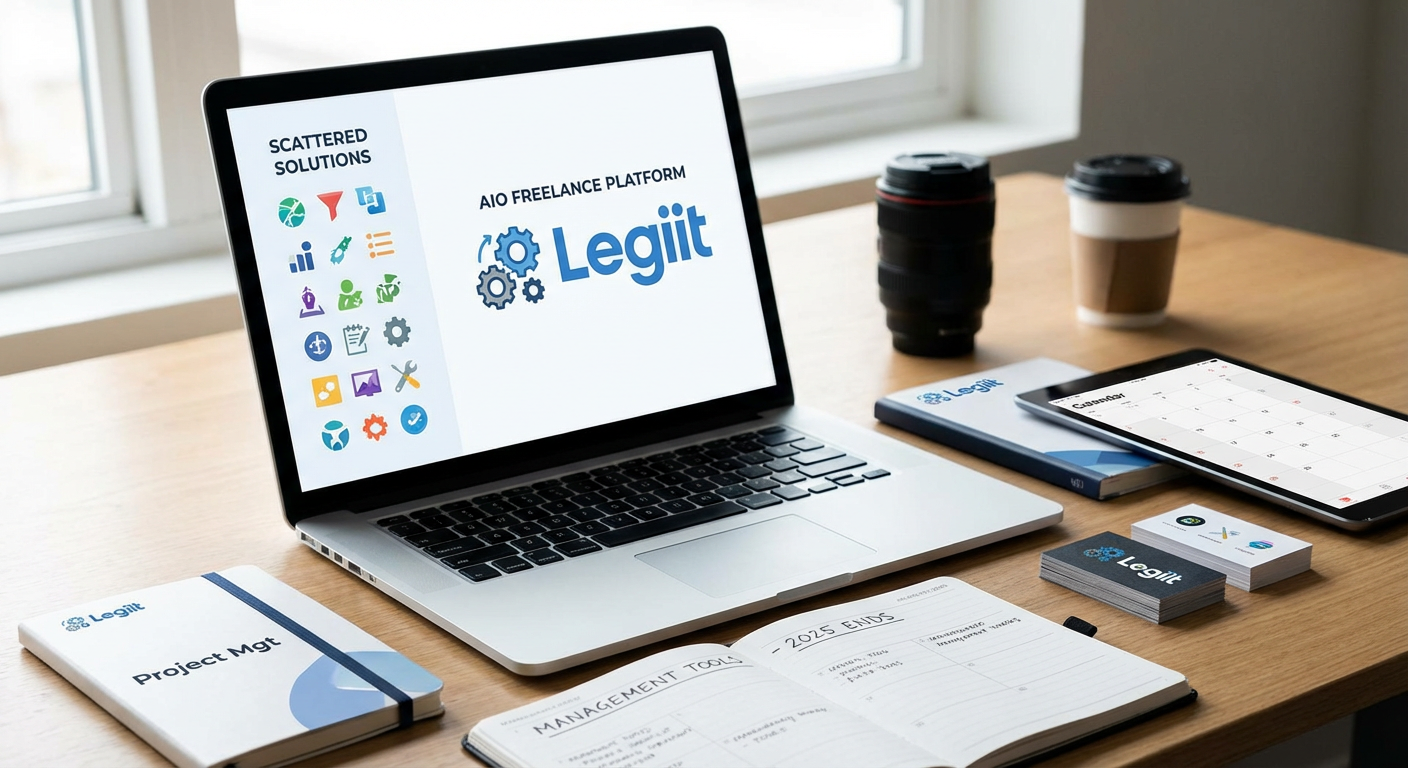
Legiit offers freelancers a complete business management system in one place, from client acquisition to project delivery and payment processing. Unlike piecing together separate tools for finding work, managing projects, and getting paid, Legiit handles everything on a single platform. This integration saves you from subscription fatigue and the hassle of syncing data across multiple apps.
The main advantage is simplicity. You can list your services, communicate with clients, track projects, and receive payments without switching between tools. The downside is that you’re locked into their ecosystem, which works well if you like their approach but less so if you prefer customizing every aspect of your workflow. For freelancers who want to spend less time on admin and more time working, Legiit provides a straightforward alternative to managing five different subscriptions.
- Notion vs. Trello: Visual Project Management Face-Off
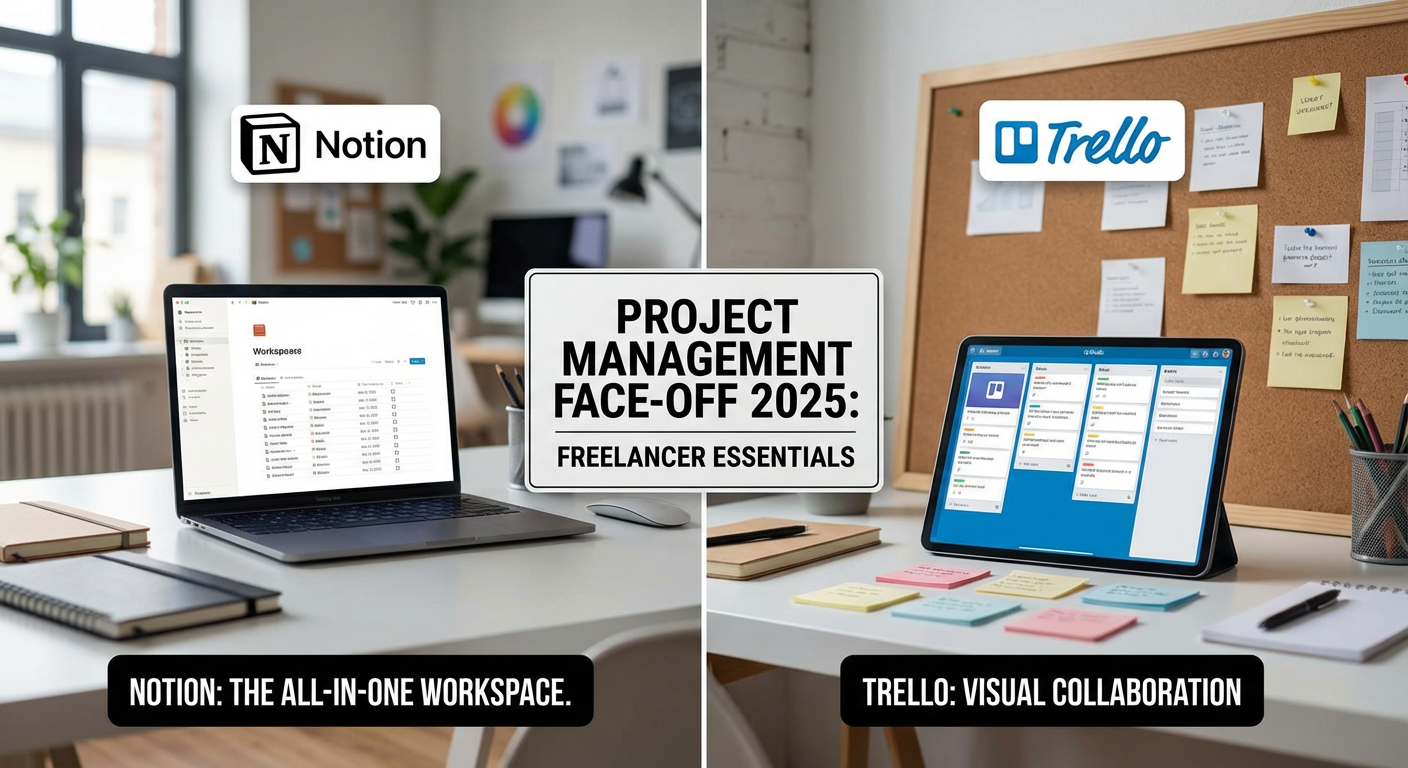
Notion and Trello both help you organize projects, but they take different approaches. Trello uses a simple card-based system with boards, lists, and cards that anyone can understand in minutes. It’s visual, intuitive, and perfect for managing straightforward projects with clear stages. The limitation is that it can feel restrictive when you need more complex databases or detailed documentation.
Notion offers far more flexibility with databases, wikis, and customizable templates. You can build elaborate project management systems tailored exactly to your needs. However, this power comes with a learning curve. Setting up Notion the way you want takes time, and some freelancers find it overwhelming. Choose Trello if you want quick setup and visual simplicity. Pick Notion if you’re willing to invest time upfront for a highly personalized system that grows with your business.
- QuickBooks vs. FreshBooks: Accounting Software for Different Priorities
QuickBooks is the heavyweight champion of small business accounting, offering comprehensive features that handle everything from invoicing to tax preparation. It’s powerful and widely recognized by accountants, which makes tax season easier. The trade-off is complexity. QuickBooks has a steeper learning curve and can feel overwhelming if you just need basic invoicing and expense tracking.
FreshBooks was built specifically for freelancers and service providers. Its interface is cleaner and more approachable, with excellent time tracking and client communication features. Invoices look professional and are easy to customize. The downside is that it offers fewer advanced accounting features, which might matter as your business grows. If you want depth and plan to scale significantly, QuickBooks makes sense. If you prioritize ease of use and client-facing features, FreshBooks wins.
- Calendly vs. Acuity Scheduling: Appointment Booking Tools Reviewed
Both Calendly and Acuity Scheduling eliminate the back-and-forth emails when booking client meetings, but they serve slightly different needs. Calendly is simpler and faster to set up. You define your availability, share a link, and clients book times that work for both of you. It integrates smoothly with major calendar apps and video conferencing tools. The limitation is customization. Advanced features like intake forms and multiple payment options require higher-tier plans.
Acuity Scheduling offers more control from the start. You can collect detailed information through intake forms, accept payments at booking, and set up complex scheduling rules for different service types. This makes it better for freelancers who offer multiple services or need to collect information before meetings. The downside is that it costs more and takes longer to configure. For basic meeting scheduling, Calendly is faster and cheaper. For service-based bookings that require payments or detailed forms, Acuity provides better functionality.
- Toggl Track vs. Harvest: Time Tracking with Different Strengths
Accurate time tracking is essential for billing clients fairly and understanding where your hours go. Toggl Track excels at the actual tracking part. Its interface is clean, starting and stopping timers is effortless, and the reporting gives you clear insights into your productivity. It’s also affordable, with a generous free tier. The weakness is invoicing. While Toggl offers basic invoicing features, they feel like an afterthought compared to dedicated invoicing tools.
Harvest combines solid time tracking with robust invoicing capabilities. You can track time, generate professional invoices directly from those hours, and even accept online payments. This integration means fewer tools in your stack. However, Harvest costs more and its time tracking interface isn’t quite as polished as Toggl’s. If you need excellent time tracking and handle invoicing elsewhere, Toggl Track is hard to beat. If you want time tracking and invoicing in one place without compromise, Harvest delivers better integration.
- Slack vs. Microsoft Teams: Client Communication Platforms Compared
Staying in touch with clients and collaborators requires reliable messaging tools. Slack pioneered the modern workplace chat app and remains popular for its clean interface and extensive app integrations. Channels keep conversations organized, search works well, and most clients already know how to use it. The drawback is cost. Once you exceed the message limit on the free plan, prices climb quickly, especially if you’re managing multiple client workspaces.
Microsoft Teams comes bundled with Microsoft 365 subscriptions, making it essentially free if you already use Office apps. It includes video calls, file storage, and deep integration with Word, Excel, and other Microsoft tools. The interface feels busier and less intuitive than Slack, which can frustrate some users. For freelancers embedded in the Microsoft ecosystem or working with corporate clients who use Teams, it’s the practical choice. For everyone else, Slack offers a better user experience if you can justify the cost.
- Asana vs. Monday.com: Full-Featured Project Management Compared
When you manage complex projects with multiple moving parts, basic task lists aren’t enough. Asana provides detailed project tracking with tasks, subtasks, dependencies, and timeline views. It’s particularly strong for managing workflows and ensuring nothing falls through the cracks. The interface takes time to master, and some freelancers find it offers more structure than they need for solo work.
Monday.com takes a more visual, colorful approach with customizable boards that adapt to different workflows. It’s easier to create views that match exactly how you think about your work, whether that’s timelines, kanban boards, or calendars. The flexibility is both a strength and weakness. You can build almost anything, but figuring out the best setup requires experimentation. Asana works better for straightforward project management with established workflows. Monday.com shines when you need visual customization and want your tool to adapt to your unique process rather than the other way around.
- Google Workspace vs. Microsoft 365: Cloud Productivity Suites Reviewed
Every freelancer needs basic productivity tools like documents, spreadsheets, and cloud storage. Google Workspace (formerly G Suite) offers Docs, Sheets, Gmail, and Drive in a package that’s lightweight and collaboration-friendly. Everything lives in the browser, real-time collaboration works smoothly, and the interface is straightforward. The limitation is feature depth. Google’s apps lack some advanced capabilities that power users need in Word or Excel.
Microsoft 365 provides the full desktop versions of Office apps plus cloud storage and business email. If you need advanced formatting, complex spreadsheet functions, or work with clients who send Office files, compatibility is better. The apps feel more professional but also heavier and sometimes slower. Google Workspace costs less and works better for simple collaboration. Microsoft 365 costs more but delivers greater power and compatibility with traditional business environments. Your choice depends on whether you value simplicity or advanced features.
- LastPass vs. 1Password: Password Management Tools Face-Off
Managing dozens of client logins and service passwords without a password manager is both insecure and frustrating. LastPass offers a free tier that covers basic password storage and autofill on unlimited devices. The interface is functional, and it works across all major browsers and platforms. Recent security incidents have raised concerns, and the free tier has become more limited over time.
1Password takes security seriously with a strong track record and features like travel mode that temporarily hides sensitive vaults. The interface is more polished, and features like Watchtower alert you to compromised passwords. There’s no free tier, so you’ll pay from day one. For freelancers handling sensitive client information, the extra security features and peace of mind justify the cost. If budget is tight and you need basic password management, LastPass works. For better security and user experience, 1Password is worth the investment.
- Dropbox vs. Google Drive: Cloud Storage for Freelancers Compared
Reliable file storage and sharing are non-negotiable for freelancers. Dropbox pioneered cloud storage and still offers the smoothest desktop integration. Files sync quickly, selective sync lets you control what’s stored locally, and sharing is intuitive. The Smart Sync feature is particularly useful for managing storage on smaller drives. The downside is cost. Dropbox provides less free storage and charges more per gigabyte than competitors.
Google Drive gives you more free storage and integrates perfectly with Google Docs, Sheets, and other Workspace apps. For freelancers already using Google’s productivity suite, it’s the natural choice. File sharing works well, though the desktop sync client isn’t quite as polished as Dropbox’s. If you work primarily in Google’s ecosystem and want generous storage at a lower price, Google Drive makes sense. If you need the best sync performance and work with large files across multiple devices, Dropbox’s premium experience justifies the higher cost.
Choosing the right management tools for your freelancing business isn’t about finding the single best option. It’s about understanding the trade-offs and picking tools that match your priorities, budget, and working style. Some tools offer simplicity at the cost of features, while others provide power but require time to master. The comparisons above give you a realistic picture of what each tool does well and where it falls short. Start with the tools that address your biggest pain points, and remember that you can always adjust your stack as your business grows and your needs change. The right combination of tools will support your work without getting in the way.