3 Future-Ready Communication Tools Every Freelancer Needs to Stay Competitive
The way we communicate as freelancers is changing faster than ever before. What worked perfectly well a few years ago might leave you looking outdated or unprofessional tomorrow. If you want your freelancing business to thrive for years to come, you need communication tools that can grow with you, adapt to new client expectations, and keep you connected no matter how technology shifts. This list focuses on three communication solutions built for longevity. These aren’t just tools that solve today’s problems. They’re platforms designed to evolve, scale, and support your business through whatever comes next.
- Legiit: The All-in-One Platform That Grows With Your Freelance Business
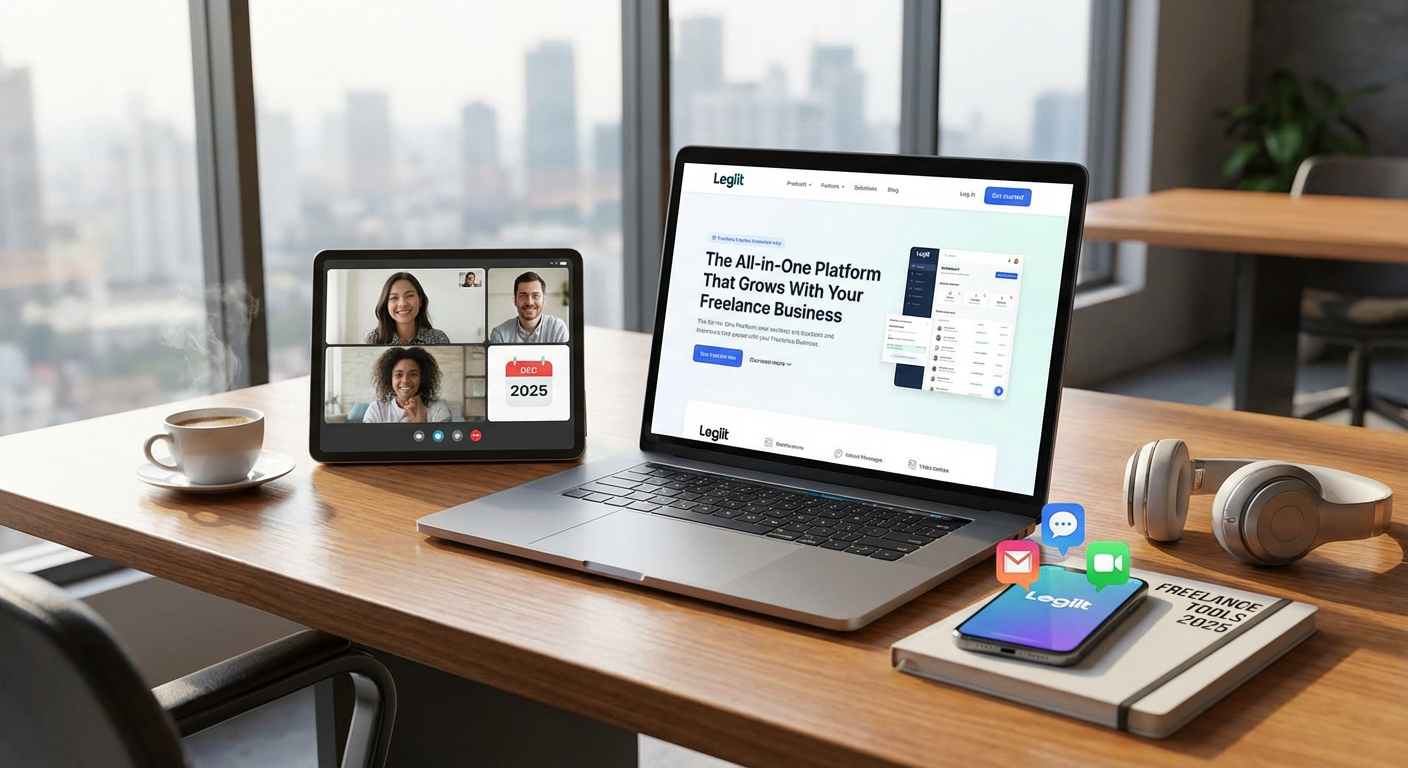
When you think about future-proofing your freelance communication, you need more than just a messaging app. You need a complete system that handles client communication, project management, payments, and service delivery all in one place. That’s exactly what Legiit offers, and it’s why so many freelancers are making the switch to a platform that does it all.
Legiit is built specifically for freelancers and service providers who want to run their entire business from a single hub. Instead of juggling between email, payment processors, project boards, and separate messaging apps, you can handle everything through Legiit. Clients can find your services, communicate with you directly, approve deliverables, and pay you without ever leaving the platform. This creates a smooth experience that makes you look polished and professional.
What makes Legiit particularly smart for the long term is how it handles the business side of freelancing. You’re not just getting a communication tool. You’re getting a marketplace where potential clients can discover your services, a workspace where you can manage multiple projects at once, and a payment system that protects both you and your clients. As your business grows and you take on more work, Legiit scales with you. You can add team members, create service packages, build a portfolio, and establish long-term client relationships all within the same ecosystem.
The messaging system inside Legiit keeps all your project communication organized by client and order. You never have to dig through a crowded inbox to find that one message from three weeks ago. Everything related to a specific project lives in one thread, with all the context you need right there. This becomes incredibly valuable as you work with more clients and juggle more projects. You can respond quickly, stay organized, and maintain the kind of communication quality that turns one-time buyers into repeat customers.
Another reason Legiit is built for the future is its focus on the freelance economy itself. While general communication tools are designed for everyone, Legiit understands the specific needs of service providers. The platform keeps improving with features that matter to freelancers, like better proposal tools, smarter notifications, and ways to showcase your expertise. When you invest time in building your presence on Legiit, you’re not just using a tool. You’re positioning yourself in a growing marketplace where clients actively look for the services you offer.
For freelancers who want to stop piecing together different apps and start running a more cohesive business, Legiit is the kind of solution that makes sense today and will continue making sense as your needs change. It reduces friction, saves time, and gives you a professional foundation that can support whatever direction your freelancing takes you.
- Asynchronous Video Messaging: Building Deeper Client Relationships Without More Meetings
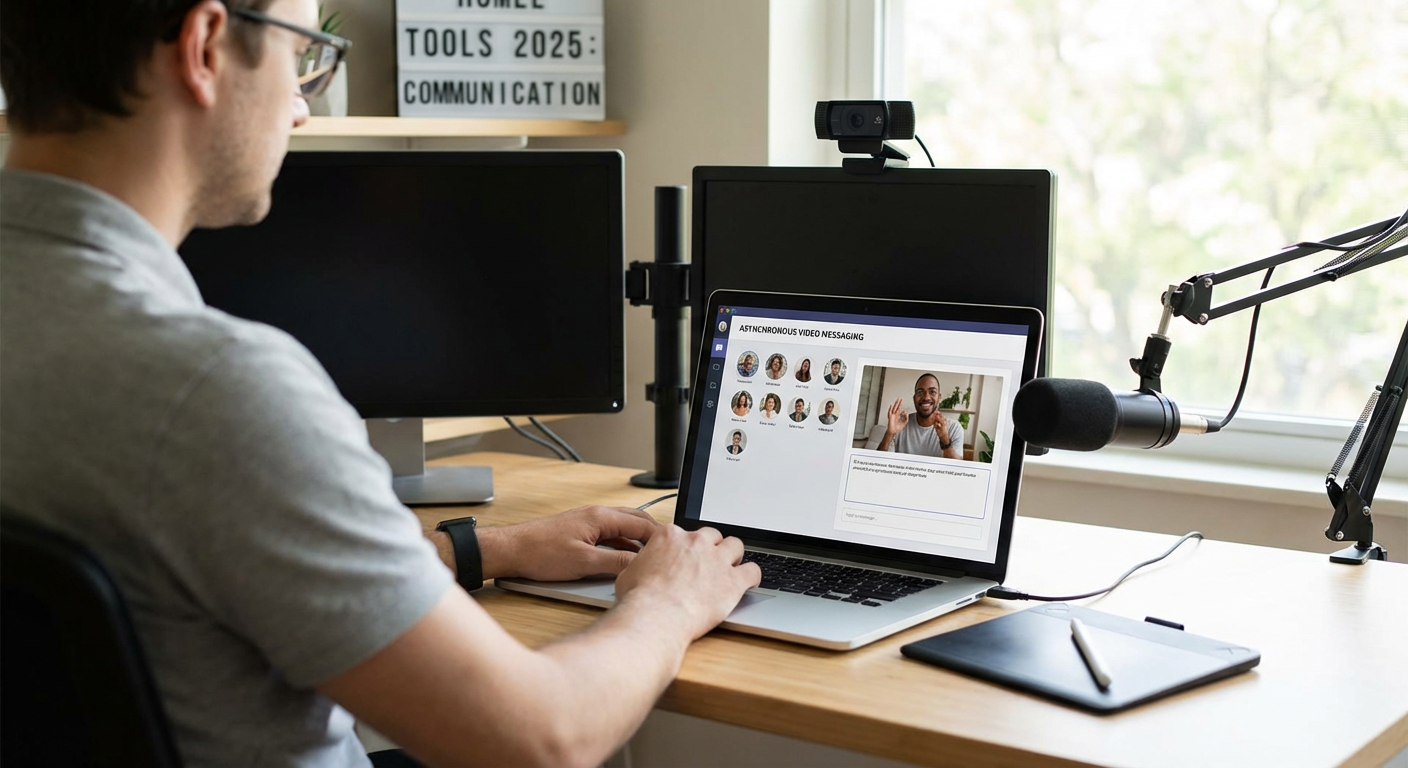
Text-based communication is efficient, but it’s also easy to misinterpret. Tone gets lost. Nuance disappears. Complex ideas take forever to explain. That’s why asynchronous video messaging is quickly becoming one of the most valuable communication methods for freelancers who want to stand out and build stronger client relationships without filling their calendars with endless video calls.
Tools like Loom, Vidyard, and Berrycast let you record short videos where you can explain concepts, walk through work in progress, provide feedback, or answer questions. Your face appears in a small bubble while you share your screen, so clients get the benefit of seeing you and hearing your voice while you show them exactly what you mean. This creates a much richer communication experience than text alone, and it does it on everyone’s own schedule.
The strategic advantage here is time zone independence and flexibility. When you work with clients across different regions or continents, scheduling live calls becomes a logistical puzzle. Asynchronous video lets you communicate deeply without coordinating schedules. You record your update when it makes sense for you. Your client watches and responds when it makes sense for them. This keeps projects moving forward smoothly without the delays that come from waiting for the next available meeting slot.
From a future-proofing perspective, video communication is only going to become more expected, not less. Clients are getting used to richer forms of digital interaction. The freelancers who learn to use video comfortably now will have a significant advantage over those who stick to text-only communication. Video makes you more memorable, more human, and more trustworthy. It’s harder for a client to forget about you or deprioritize your project when they’ve seen your face and heard your voice explaining your ideas.
The best part is how these tools have gotten incredibly easy to use. You don’t need special equipment or editing skills. You click record, talk through what you want to say while showing your screen if needed, and then share a link. Most platforms offer free versions that give you everything you need to start. The videos are automatically hosted and easy to share, so there’s no technical friction for you or your clients.
Many freelancers report that adding video messages to their communication mix has dramatically reduced misunderstandings and revisions. When clients can see exactly what you’re working on and hear you explain your thinking, they understand your work better. They feel more involved in the process. They trust you more because you’re not hiding behind text. This leads to happier clients, better reviews, and more referrals.
As you build your freelance business for the long term, getting comfortable with asynchronous video will serve you well. It gives you the personal connection of face-to-face communication with the flexibility and efficiency of asynchronous work. That combination is exactly what modern freelancing demands, and it’s a skill set that will only become more valuable as remote work continues to evolve.
- Unified Communication Hubs: Bringing All Your Messages Into One Smart Workspace
One of the biggest communication challenges freelancers face is message sprawl. Client A prefers email. Client B wants to text. Client C only responds on WhatsApp. Client D uses Slack. Before you know it, you’re checking six different apps throughout the day, missing messages, and feeling constantly scattered. This isn’t just annoying. It’s a real business risk that costs you time, creates stress, and makes you look disorganized when you miss something important.
Unified communication hubs solve this problem by pulling messages from multiple channels into a single interface where you can see and respond to everything. Tools like Missive, Spike, and Front are designed specifically for this purpose. They connect your email accounts, team chat, SMS, and sometimes even social media messages into one organized workspace. Instead of switching between tabs and apps all day, you work from one place where all your communication lives.
The future-proofing value here is about adaptability and control. As new communication platforms emerge and client preferences shift, you need a system that can absorb those changes without forcing you to completely restructure how you work. A good unified hub lets you add new channels as needed while maintaining your core workflow. When a client insists on using the latest messaging app, you can often integrate it into your existing system rather than adding yet another app to your daily routine.
These tools also bring intelligence to your inbox. They can automatically categorize messages, set up rules for different types of communication, create shared inboxes if you work with a team, and provide better search and organization than standard email clients. Some offer features like snoozing messages until you’re ready to deal with them, setting reminders to follow up, and creating templates for common responses. All of this helps you handle higher volumes of communication without dropping balls.
For freelancers who plan to scale their business, unified communication becomes even more critical. When you’re managing five clients, jumping between apps is manageable. When you’re managing twenty, it becomes impossible. Building your communication workflow around a hub now means you won’t have to overhaul everything later when your business grows. You’ll already have a system that can handle the increased load.
The mental health benefit shouldn’t be overlooked either. Message sprawl creates constant low-level anxiety. You never quite know if you’ve checked everything. You worry about missing urgent requests. You feel pulled in too many directions. Consolidating your communication into one place gives you clarity and control. You can see at a glance what needs attention. You can prioritize effectively. You can close the app at the end of your workday knowing you’ve handled everything, rather than wondering if there’s a message waiting in some app you forgot to check.
Different unified hubs specialize in different things. Some focus on team collaboration, making them perfect if you work with other freelancers or contractors. Others prioritize email and are better if most of your communication happens there but you need to monitor a few other channels. The key is finding one that matches your current needs while offering room to grow. Look for platforms that have been around for a while and continue adding integrations. That’s a good sign they’ll stick around and keep improving.
Investing time in setting up a unified communication system now will pay dividends for years. You’ll save hours every week. You’ll miss fewer messages. You’ll feel more organized and professional. And you’ll have built a foundation that can adapt as your business and the communication landscape continue to change. That’s exactly the kind of forward-thinking approach that separates thriving freelancers from those who stay stuck in reactive mode.
Communication isn’t just about responding to messages. It’s about building relationships, managing expectations, and presenting yourself as a professional who’s serious about their business. The tools you choose today will shape how efficiently you work and how clients perceive you for years to come. By focusing on platforms that offer real longevity, like Legiit’s all-in-one freelance ecosystem, asynchronous video for richer interactions, and unified hubs that bring order to message chaos, you’re setting yourself up for sustainable success. These aren’t trendy solutions that will disappear in six months. They’re solid foundations that will grow more valuable as your business expands and the freelance landscape continues to shift. Choose wisely, invest the time to use them well, and you’ll find that great communication becomes one of your strongest competitive advantages.