
11 Expert-Recommended Methods to Build Resilience as a Freelancer
Freelancing comes with its share of ups and downs, from income fluctuations to client challenges and self-doubt. Building resilience isn’t just about pushing through hard times. It’s about developing the mental, emotional, and practical tools that help you bounce back stronger. Industry experts and successful freelancers consistently point to certain strategies that make the difference between burning out and thriving long term. This list brings together those tried and tested methods that professionals rely on to stay steady, focused, and productive no matter what comes their way.
- Join a Trusted Freelancer Marketplace Like Legiit
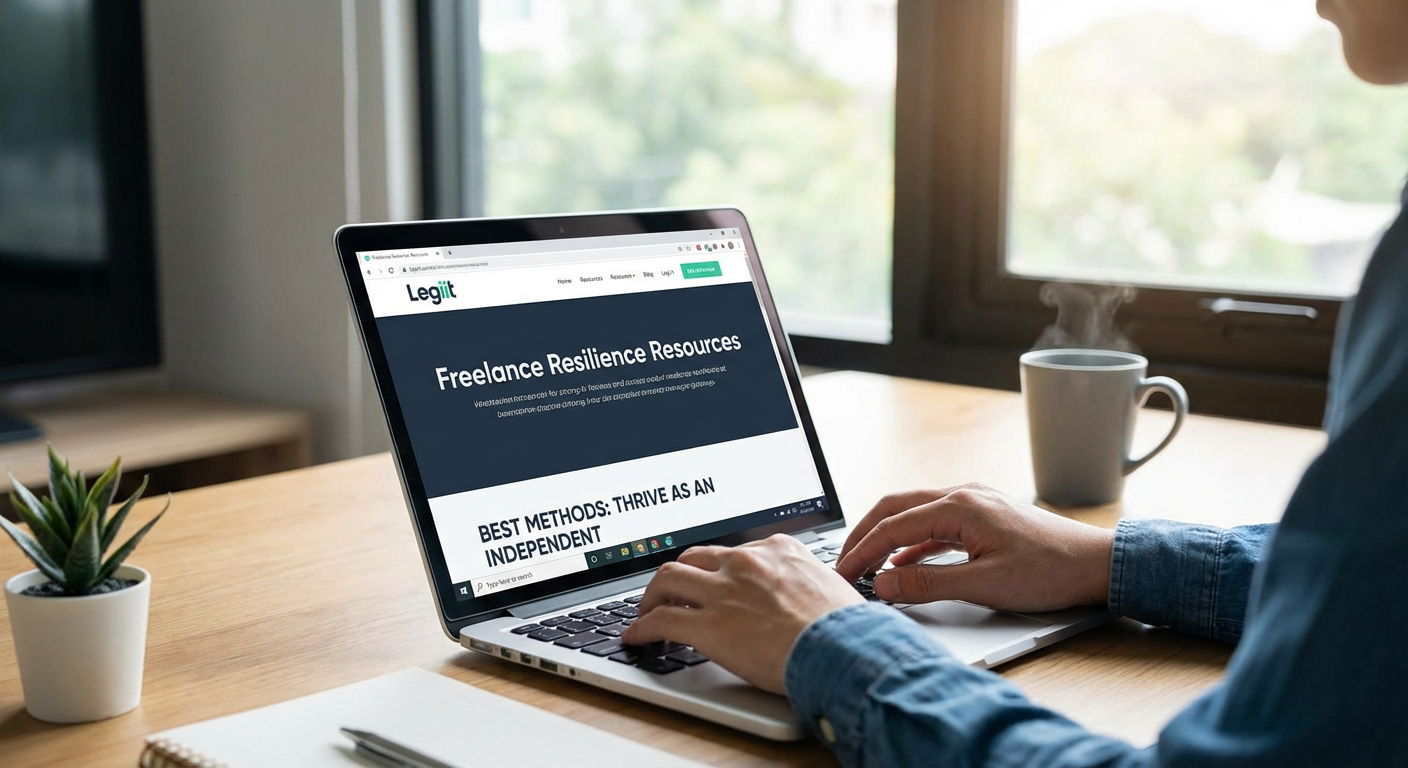
Experts in the freelance community often recommend establishing a presence on reputable platforms that connect you with quality clients. Legiit stands out as a marketplace built specifically for digital service providers, offering a structured environment where freelancers can showcase their skills and find consistent work. The platform handles payment security and dispute resolution, which reduces stress and lets you focus on delivering great work.
Many seasoned freelancers credit platforms like this with helping them weather slow periods by providing a steady stream of opportunities. When you’re not constantly hunting for your next gig, you can invest more energy into building resilience through skill development and self-care. Having a reliable source of potential projects creates a foundation of stability that makes it easier to handle the unpredictable aspects of freelance life.
- Build Financial Reserves Before You Need Them
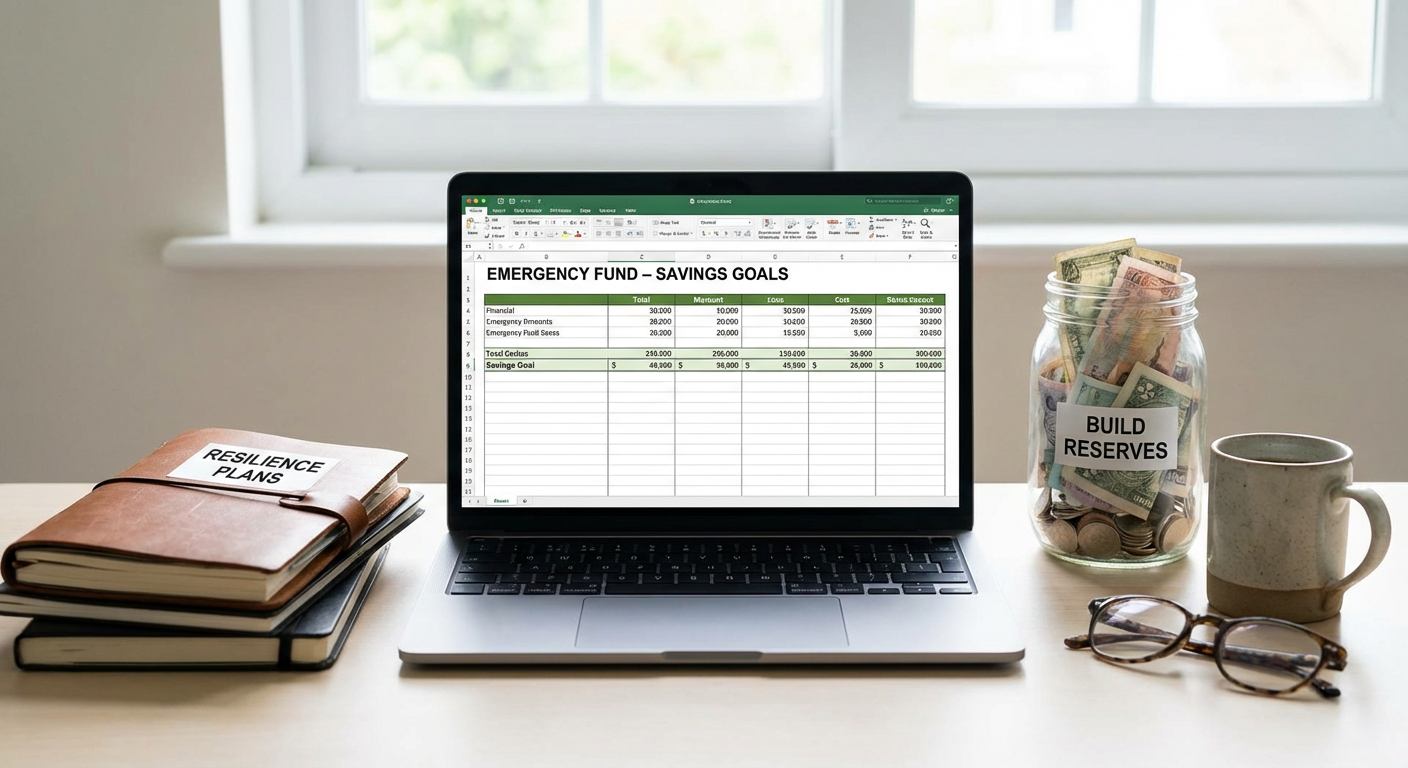
Financial advisors who work with self-employed professionals consistently emphasize the importance of an emergency fund. Most recommend setting aside three to six months of living expenses in a separate account that you don’t touch except in genuine emergencies. This buffer gives you breathing room when a client pays late, a project falls through, or you need to take time off for health reasons.
The psychological impact of having savings cannot be overstated. When you know you can cover your bills even during a dry spell, you make better decisions about which clients to work with and which projects to take on. You’re less likely to accept red-flag clients out of desperation, which protects both your income and your mental health over time.
- Develop Multiple Income Streams
Business consultants who specialize in freelance careers regularly advise against relying on a single client or revenue source. Diversification protects you when one stream dries up temporarily. This might mean offering different services, creating passive income through digital products, or maintaining several regular clients instead of one main contract.
Successful freelancers often structure their work so that no single client represents more than 40% of their income. This approach takes time to build, but it dramatically reduces the stress and vulnerability that comes with putting all your eggs in one basket. When you lose a client, it’s an inconvenience rather than a crisis.
- Establish Non-Negotiable Daily Routines
Productivity experts who study remote workers emphasize the power of consistent daily structures. Your routine might include a morning walk, a set start time, regular breaks, or an end-of-day shutdown ritual. These anchors create stability in an otherwise flexible schedule and help your brain distinguish between work time and personal time.
Routines also conserve decision-making energy, which is especially valuable during stressful periods. When you don’t have to decide when to start work or whether to take lunch, you free up mental resources for handling actual challenges. Many high-performing freelancers say their morning routine is the single most important factor in maintaining their resilience through difficult seasons.
- Maintain Strong Professional Relationships
Career coaches consistently point to networking as a resilience strategy, though not in the transactional sense most people imagine. Building genuine relationships with other freelancers, past clients, and industry contacts creates a support system you can lean on. These connections often lead to referrals during slow periods, advice when you’re facing challenges, and collaborative opportunities that expand your capabilities.
The freelancers who weather industry changes most successfully are typically those who’ve invested in their professional community. This might mean joining mastermind groups, staying in touch with former colleagues, or simply being generous with introductions and recommendations. When you need help, people remember how you’ve shown up for them.
- Set Boundaries With Clients and Yourself
Therapists and coaches who work with freelancers see boundary issues as one of the most common sources of burnout. Learning to say no to scope creep, unreasonable deadlines, and after-hours communications protects your energy and prevents resentment. Equally important are the boundaries you set with yourself about overworking, perfectionism, and the compulsion to always be available.
Professionals recommend communicating your boundaries clearly from the start of each client relationship. This includes your working hours, response times, and revision policies. When clients know what to expect, they’re less likely to push against those limits. The freelancers who last longest in this career are those who treat their own boundaries as seriously as they treat client deadlines.
- Invest in Continuous Skill Development
Industry analysts note that freelancers who regularly update their skills are better positioned to adapt when market demands shift. This doesn’t mean chasing every trend, but rather deepening your expertise in your core area while strategically adding complementary skills. Taking courses, attending workshops, or learning adjacent tools keeps you competitive and gives you confidence that you can handle whatever comes next.
The process of learning itself builds resilience by reinforcing that you’re capable of growth and adaptation. When you’ve successfully learned new skills before, you trust that you can do it again. Many experts suggest dedicating a small percentage of your work time each week to professional development, treating it as an investment in your long-term stability rather than a distraction from billable work.
- Track Your Wins and Review Them Regularly
Psychologists who study motivation recommend keeping a record of your accomplishments, positive client feedback, and successful projects. During challenging periods, it’s easy to forget how capable you are and how much you’ve already overcome. A win file or success journal gives you concrete evidence of your abilities when self-doubt creeps in.
This practice is especially valuable after a setback. Instead of spiraling into negative thinking, you can look back at similar challenges you’ve handled successfully. Many successful freelancers review their wins monthly or quarterly, which helps them maintain perspective and recognize patterns in their growth. This simple habit has a powerful cumulative effect on your confidence and resilience.
- Create Systems for Your Recurring Tasks
Operations consultants emphasize that systematizing routine work frees up mental energy for creative problem-solving and strategic thinking. This might include templates for common client communications, checklists for project kickoffs, or automated invoicing processes. When you’re not reinventing the wheel for every task, you have more capacity to handle unexpected challenges.
Systems also make it easier to maintain quality during stressful periods. When you’re tired or overwhelmed, following a proven process ensures you don’t drop important steps. Experienced freelancers often say that their systems are what allow them to keep delivering good work even when they’re not at their best. Building these systems during calm periods prepares you for the storms.
- Prioritize Physical Health as a Business Asset
Healthcare professionals who work with self-employed individuals stress that your body is your primary business asset. Regular exercise, adequate sleep, and decent nutrition directly impact your ability to handle stress, maintain focus, and recover from setbacks. Freelancers who neglect their physical health often find their resilience crumbling when challenges arise.
This doesn’t require perfection or expensive gym memberships. Simple practices like taking walking breaks, maintaining consistent sleep schedules, and eating regular meals make a measurable difference. Many high-performing freelancers schedule exercise like they schedule client meetings, recognizing that skipping it has consequences for their work quality and stress management. Your physical state affects your mental resilience more than most people realize.
- Develop a Realistic Mindset About Failure
Business psychologists point out that how you interpret setbacks determines whether they strengthen or weaken you. Resilient freelancers view lost clients, rejected proposals, and failed projects as information rather than identity statements. They ask what they can learn and what they might do differently next time, then move forward without excessive rumination.
This mindset is a skill you can develop through practice. When something goes wrong, pause before creating a story about what it means. A lost client might be about budget constraints or internal changes rather than your worth. A rejected proposal might need better positioning rather than indicating you should quit. Professionals who maintain long freelance careers have typically failed many times. They’ve simply learned to treat failure as feedback rather than a verdict.
Building resilience as a freelancer isn’t about becoming invincible or never experiencing doubt. It’s about creating the conditions that help you recover quickly, maintain perspective, and keep moving forward even when things get hard. The methods outlined here represent what experienced professionals and experts consistently recommend because they work across different industries and personality types. Start with one or two that resonate most with your current situation, and build from there. Resilience grows over time, and every challenge you work through makes you better equipped for the next one.