
12 Ways to Create Multiple Revenue Streams as a Freelancer: Compared and Reviewed
Building multiple income sources as a freelancer isn’t just smart planning. It’s essential for long-term stability. But with so many options available, how do you choose which revenue streams actually deserve your time and energy? This list breaks down twelve different approaches, comparing their strengths, weaknesses, and trade-offs so you can make informed decisions about where to invest your efforts. Whether you’re just starting out or looking to expand your existing freelance business, you’ll find practical insights to help you weigh your options.
- Legiit Compared to Traditional Freelance Marketplaces
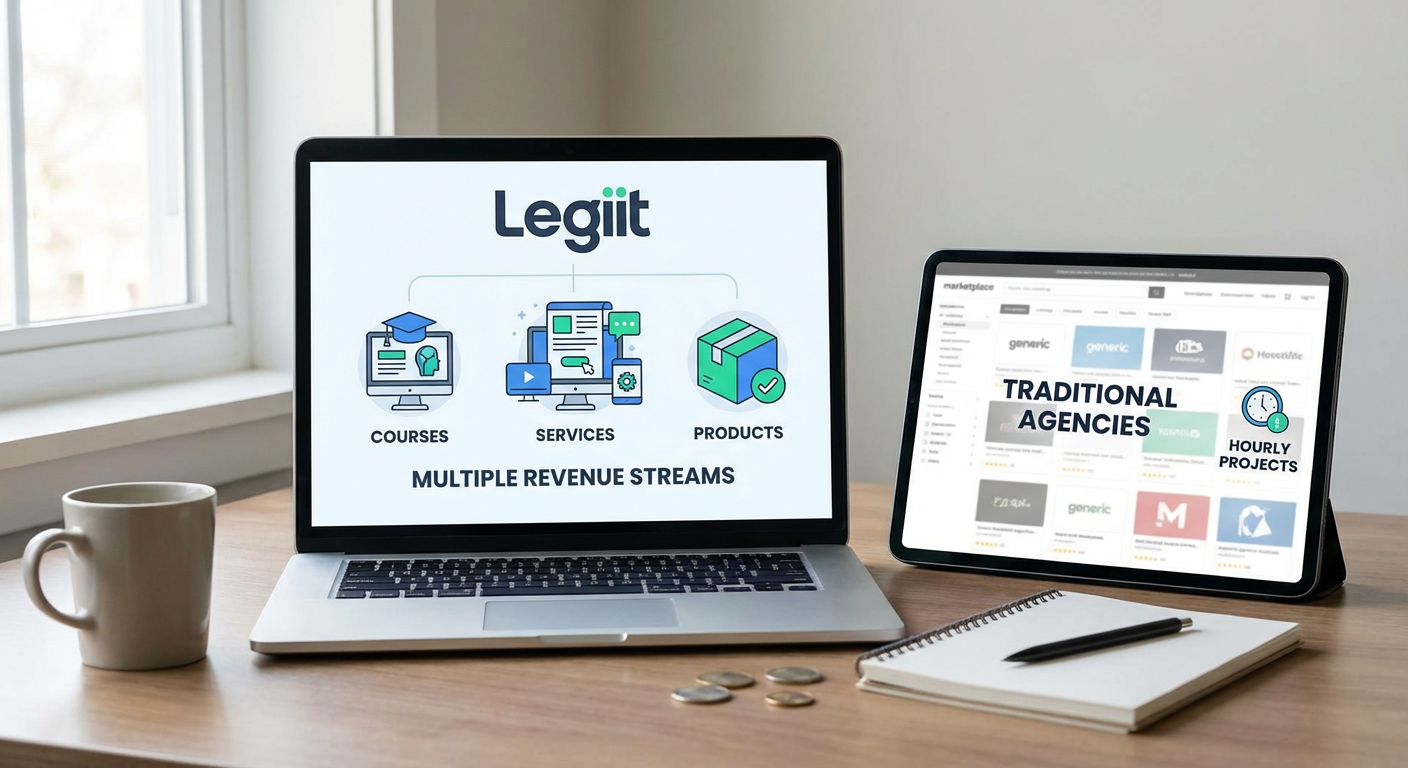
Legiit operates differently from platforms like Upwork or Fiverr by focusing on digital services with a done-for-you approach. The main advantage is that you set fixed prices for your services rather than constantly bidding on projects, which saves time and creates more predictable income. The trade-off is a smaller buyer pool compared to massive marketplaces, but the audience tends to be more serious about purchasing. Legiit also allows you to build a storefront with multiple service offerings, making it easier to create several income streams within one platform. For freelancers who want to stop chasing proposals and start building a service catalog, this model offers a compelling alternative to the bid-and-hope approach of traditional platforms.
- Retainer Clients Versus Project-Based Work

Retainer agreements provide steady monthly income and relationship stability, while project-based work offers variety and potentially higher per-project rates. The security of retainers is hard to beat, you know exactly what’s coming in each month and can plan accordingly. However, retainers can lock you into ongoing commitments that limit your availability for other opportunities.
Project work gives you more flexibility to take on diverse assignments and raise rates between clients, but the income fluctuates and you’re constantly marketing yourself. Many successful freelancers blend both approaches, maintaining two or three retainer clients for baseline income while filling gaps with project work. The ideal mix depends on your risk tolerance and how much variety you need to stay engaged.
- Creating Digital Products Versus Offering Custom Services
Digital products like templates, courses, or stock assets can generate passive income once created, while custom services require active work for each dollar earned. The appeal of products is obvious: you build once and sell repeatedly without trading hours for money. But product creation demands significant upfront investment with no guaranteed return, and you’ll need marketing skills to drive sales.
Custom services provide immediate cash flow and let you charge premium prices for personalized solutions. The downside is limited scalability since you can only serve so many clients personally. Consider starting with services to fund your lifestyle, then gradually shift time toward product creation as those assets begin generating income. This hybrid approach lets you enjoy immediate earnings while building long-term passive revenue.
- Affiliate Marketing Versus Sponsored Content
Affiliate marketing pays you commissions when your audience purchases through your links, while sponsored content provides flat fees for promoting products or services. Affiliates offer unlimited earning potential if you drive substantial sales, but income is unpredictable and depends entirely on conversion rates. You also have less control since commission structures and programs can change without notice.
Sponsored content delivers guaranteed payment regardless of results, making budgeting easier. However, rates are typically fixed and you may damage audience trust if you promote too many products. The best approach often combines both: use affiliate links for tools you genuinely recommend, and pursue sponsored opportunities selectively with brands that align with your values. Track which approach generates better returns for your specific audience and adjust your strategy accordingly.
- Teaching Online Courses Versus Coaching One-on-One
Online courses scale beautifully since hundreds of students can take the same material, while one-on-one coaching provides premium pricing and deeper client relationships. Courses require substantial upfront work to create quality content, film videos, and build a delivery platform. You’ll also need to drive traffic consistently since course sales often slow without active promotion.
Coaching delivers immediate income and lets you charge premium hourly rates, sometimes several hundred dollars per session. The limitation is your available time, you can only coach so many people each week. Many freelancers find success offering both: group courses for foundational content at accessible prices, and premium coaching for clients who want personalized guidance. This tiered approach serves different budget levels while maximizing your earning potential per hour invested.
- Subscription Services Versus One-Time Sales
Subscription models create recurring monthly revenue and improve cash flow predictability, while one-time sales require constantly finding new buyers. Subscriptions build compound growth over time as you retain existing members while adding new ones each month. The challenge is maintaining consistent value delivery to prevent cancellations, which means ongoing content creation or service provision.
One-time sales let you charge higher prices upfront without long-term obligations, and customers don’t expect continuous updates. However, you’re starting from zero each month and need a steady stream of new prospects. Consider your service type when choosing: software tools, premium content, or ongoing support naturally fit subscriptions, while comprehensive courses, templates, or completed projects work better as one-time purchases. Some freelancers offer both options, letting customers choose their preferred payment structure.
- Building Your Own Platform Versus Using Established Marketplaces
Your own website gives you complete control, no commissions, and direct customer relationships, while established marketplaces provide built-in traffic and credibility. Building a personal platform means keeping 100% of your revenue and owning your customer data for future marketing. The downside is you’re responsible for all traffic generation, technical maintenance, and trust-building from scratch.
Marketplaces like Etsy, Gumroad, or service platforms deliver immediate access to buyers actively searching for what you offer. You’ll pay platform fees ranging from 5% to 20%, and you’re subject to their rules and algorithm changes. The smart move for most freelancers is maintaining both: use marketplaces to gain initial traction and test offers, while simultaneously building your own platform for long-term independence. Gradually shift your marketing focus toward owned channels as your personal brand grows stronger.
- Licensing Your Work Versus Selling Full Rights
Licensing allows you to sell the same work multiple times to different clients, while selling full rights means one-time payment and losing future use. Licensing generates ongoing income from assets you’ve already created, particularly valuable for photographers, designers, and writers. You maintain ownership and can continue profiting from your best work indefinitely.
Selling full rights commands higher upfront prices since clients gain exclusive ownership and unlimited usage. This works well when you need immediate cash or when the work is highly specific to one client’s needs. Stock photography and music typically use licensing models, while custom brand identities or proprietary software usually involve full rights transfers. Review each project individually to determine which approach maximizes your total earnings, considering both immediate payment and future potential value.
- Creating Free Content with Monetization Versus Paid Content from the Start
Free content builds large audiences that you can later monetize through various methods, while paid content generates immediate revenue but grows more slowly. Offering valuable free material attracts followers, establishes authority, and creates multiple monetization paths including ads, sponsorships, and product sales. The risk is investing months or years building an audience before seeing meaningful income.
Paid content from day one validates demand and funds your efforts immediately, but you’ll reach fewer people and growth happens gradually. Platforms like Patreon or Substack let you offer both free and premium tiers, giving people a taste while reserving your best material for paying members. Most successful freelancers use free content as a marketing tool that funnels people toward paid services or products. The key is making your free content genuinely helpful while clearly demonstrating what paying customers receive.
- White Labeling Your Services Versus Building Your Personal Brand
White labeling lets you work behind the scenes for agencies or other freelancers at volume, while personal branding positions you as the expert who commands premium rates. White label arrangements provide steady work without marketing pressure since your partner handles client relationships and sales. You can often work faster without client meetings or revisions, though you’ll typically earn less per project than if you sold directly.
Building a personal brand takes significant time and content creation but allows you to charge top-tier prices and choose ideal clients. You control your reputation and keep all profits, but you’re responsible for all business development. Some freelancers successfully do both: maintaining white label relationships for consistent base income while slowly building their public presence. As your personal brand grows stronger and generates sufficient leads, you can phase out white label work or be more selective about partnerships.
- Offering Done-For-You Services Versus Done-With-You Consulting
Done-for-you services mean you handle all execution while clients simply receive finished deliverables, whereas done-with-you consulting involves collaborative work where you guide clients who do the implementation. Full-service delivery commands higher project fees since clients pay for your expertise and execution time. You maintain quality control but shoulder all the work and responsibility for results.
Done-with-you models let you serve more clients simultaneously since they’re doing significant portions of the work themselves. You can charge well for your knowledge and guidance while spending less time per client on actual production. The challenge is that results depend partly on client follow-through, which can lead to satisfaction issues if they don’t implement properly. Consider your working style and expertise level: if you excel at execution, lean toward done-for-you services. If you’re stronger at strategy and teaching, consulting may prove more profitable and sustainable.
- Niche Specialization Versus Generalist Positioning
Specialists can charge premium rates and face less competition, while generalists access a broader client pool and diverse project types. Focusing narrowly on one industry or service type makes marketing easier since you know exactly where to find ideal clients and what messages resonate. You become the obvious choice for specific problems, justifying higher fees. The risk is market vulnerability if that niche contracts or changes dramatically.
Generalists enjoy variety and can pivot when opportunities shift, but they face more competition and struggle to differentiate themselves. Pricing pressure increases when you’re competing against everyone offering similar services. Many experienced freelancers find a middle path: specialize enough to stand out and command good rates, but maintain adjacent skills that provide flexibility. For example, a freelance writer might specialize in healthcare content while also offering general business writing. This approach balances the premium pricing of specialization with the stability of having multiple service options.
Creating multiple revenue streams as a freelancer means constantly weighing trade-offs between stability and flexibility, immediate income and long-term potential, and time investment versus financial returns. No single approach works perfectly for everyone, and your ideal combination will shift as your business matures and your goals evolve. Start by adding one or two new income sources that complement your existing work, then evaluate their performance over several months. The freelancers who build the most resilient businesses aren’t necessarily those with the most revenue streams, but rather those who thoughtfully select and manage streams that align with their skills, lifestyle preferences, and financial objectives.