Blog

Practical Tips for Finding Freelancer Platforms With Real Niche Depth for Marketers

Practical Tips for Finding Freelancer Platforms With Real Niche Depth for Marketers

Finding freelancers who understand your specific marketing needs can make or break your campaigns. The right platform connects you with specialists who speak your language, whether that’s SEO, paid ads, content strategy, or conversion optimization. This list gives you actionable steps for evaluating and using platforms that go beyond surface-level generalists. You’ll learn how to identify true niche depth, vet specialists quickly, and get results without wasting time on platforms that just rebrand the same pool of freelancers. Each entry includes tips you can apply immediately to improve your hiring process and campaign outcomes.

  1. Start With Legiit for Marketing Service Packages That Work Out of the BoxStart With Legiit for Marketing Service Packages That Work Out of the Box

    Legiit structures its marketplace around pre-built service packages rather than open-ended proposals. This makes it easy to compare what you’re actually getting before you hire. Look for sellers who list specific deliverables like keyword research reports, backlink audits, or ad copy bundles with defined revision policies.

    The platform attracts specialists in SEO, link building, and digital PR because the service package model works well for repeatable marketing tasks. When you’re vetting sellers, check their service descriptions for concrete metrics and examples rather than vague promises. Many experienced marketers use Legiit for ongoing monthly services because the subscription model keeps costs predictable.

    To get the best results, start with a smaller package to test quality and communication style before committing to a retainer. Filter by delivery time and reviews to find sellers who meet deadlines consistently.

  2. Use Mayple’s Vetting System to Skip the Research PhaseUse Mayple's Vetting System to Skip the Research Phase

    Mayple screens marketers before they join, which means you avoid sorting through dozens of unqualified applicants. The platform matches you with vetted specialists based on your industry, budget, and campaign goals. This saves hours compared to posting jobs on general platforms.

    When you sign up, be specific about your past campaign results and current challenges. The more detail you provide about your funnel, customer journey, and tools you already use, the better the match. Request a short intro call with your matched marketer to confirm they understand your niche before committing to a contract.

    Mayple works well for brands that need strategic help, not just task execution. If you need someone to audit your entire marketing stack or build a growth plan, this approach gets you to a qualified person faster than traditional job boards.

  3. Filter Upwork by Specialized Tests and Certifications

    Upwork offers skill tests and certification badges that help you identify marketers with verified knowledge. Search for freelancers who have completed tests in Google Ads, Facebook Blueprint, HubSpot, or SEMrush. These badges appear on profiles and can be filtered during your search.

    Don’t rely solely on tests, but use them as a first-pass filter to narrow a large pool. Combine test results with portfolio samples and client feedback. Look for freelancers who have worked in your specific industry or with similar products. A marketer who has run campaigns for SaaS companies will understand your needs differently than someone who only works with e-commerce.

    When you post a job, include a screening question that requires knowledge of your niche. Ask candidates to suggest one improvement to your current landing page or ad copy. This filters out people who apply to everything without reading your brief.

  4. Tap Into Codeable for Marketing Technologists Who Bridge Code and Strategy

    Codeable focuses on WordPress experts, but many of their developers specialize in marketing technology. If you need custom tracking setups, landing page optimization, or marketing automation integrations, this platform connects you with people who understand both the technical and strategic sides.

    When you submit a project, explain your marketing goal first, then the technical requirement. For example, instead of just asking for a form integration, describe the lead nurture flow you want to build. This attracts developers who think about conversion paths, not just functionality.

    Codeable works on a project basis with fixed quotes, so you know costs upfront. This model suits one-time technical projects better than ongoing campaign management. Use it when you need to fix tracking issues, build custom dashboards, or integrate tools that don’t connect easily.

  5. Leverage Toptal’s Matching Process for High-Stakes Campaigns

    Toptal screens candidates through multiple rounds of testing and interviews before accepting them. This means you’re choosing from a small pool of experienced marketers rather than thousands of applicants. The trade-off is higher rates, but the quality control reduces risk for important campaigns.

    When you work with Toptal, you’ll be matched with candidates based on a detailed intake process. Prepare a clear brief that includes your budget, timeline, and success metrics. If the first match isn’t right, you can request alternatives without penalty.

    This platform works best for complex projects like rebranding campaigns, market entry strategies, or multi-channel orchestration. If you’re running straightforward tasks like blog writing or basic social media posting, the premium pricing may not make sense. Use Toptal when the cost of a failed campaign exceeds the higher freelancer rate.

  6. Search Contently’s Marketplace for Content Strategists Who Understand Distribution

    Contently connects brands with writers, editors, and content strategists who focus on long-term content programs. The platform includes project management tools that help you plan editorial calendars, track drafts, and measure content performance in one place.

    When hiring through Contently, look for strategists who can explain how content fits into your funnel. Ask candidates to review your existing content and suggest gaps or improvements during the interview. This reveals whether they think about content as part of a system or just individual pieces.

    The platform charges a subscription fee on top of freelancer rates, so it makes sense when you’re producing content at scale. If you only need occasional blog posts, the overhead may not be worth it. Use Contently when you’re building a content operation that requires consistency, workflow management, and performance tracking.

  7. Use Working Not Working to Find Creative Talent Who Can Execute Campaigns

    Working Not Working started as a job board for creative professionals but has grown into a marketplace for freelance designers, art directors, and creative strategists. Many members have agency backgrounds and understand how to translate brand strategy into visual campaigns.

    When browsing portfolios, look for case studies that show the thinking behind the work, not just final deliverables. Reach out to creatives who have worked on campaigns similar to yours in scope and channel. If you’re launching a social media campaign, find someone who has created scroll-stopping content with measurable engagement.

    The platform includes availability calendars, so you can see when freelancers have open time before you reach out. This reduces back-and-forth and helps you plan projects around their schedule. Working Not Working suits project-based creative work better than ongoing retainers.

  8. Mine GrowthMentor for Marketers Who Can Also Advise Your Strategy

    GrowthMentor connects you with growth marketers for mentorship calls, but many members also take on freelance projects. The platform requires all mentors to have verifiable experience at startups or growth-focused companies, which means you’re talking to people who have run experiments and optimized funnels firsthand.

    Book a short call with a mentor before hiring them for project work. Use the call to discuss your current challenges and see how they think through problems. If their advice resonates and they have availability, you can transition the relationship into a paid project or retainer.

    This approach works well when you need both strategic guidance and execution. Instead of hiring a consultant and then a separate freelancer to implement, you get both from one person who understands your context. The mentorship call also serves as a low-risk way to evaluate fit before committing to a larger engagement.

  9. Browse Behance and Dribbble With Outreach Tools to Build Your Own Network

    Behance and Dribbble are portfolio sites, not hiring platforms, but they give you direct access to designers and creative marketers without platform fees. Search for work in your industry or style, then reach out directly through the contact information on profiles.

    When you find someone whose work fits your needs, send a personalized message that references specific projects in their portfolio. Explain your project briefly and ask about their availability and rates. Many designers prefer direct client relationships because they avoid platform commissions.

    This method requires more upfront work than using a managed platform, but it often results in better rates and stronger relationships. Keep a spreadsheet of designers you contact so you can build a roster for future projects. Over time, you’ll develop a network of trusted creatives who understand your brand and can jump into projects quickly.

  10. Test Fiverr Pro for Specialized Marketing Tasks at Competitive Rates

    Fiverr Pro is a vetted tier within Fiverr that features experienced freelancers with verified portfolios and business credentials. While the main Fiverr marketplace can be hit or miss, Pro sellers offer reliable quality for specific marketing tasks like ad creative, email design, or short-form video editing.

    Filter your search to show only Pro sellers, then review their portfolios for work that matches your brand aesthetic and goals. Many Pro sellers offer package tiers that let you scale investment based on complexity. Start with a basic package to test turnaround time and communication before ordering the premium version.

    Fiverr Pro works best for well-defined tasks with clear deliverables. If your project requires ongoing collaboration or strategic input, a platform with more communication tools may serve you better. Use it for production work where you already know what you need and just want clean execution at a reasonable price.

The platforms on this list give you practical starting points for finding marketing specialists who can actually move the needle on your campaigns. The key is matching the platform’s strengths to your specific needs, whether that’s strategic thinking, technical implementation, or creative execution. Start by testing one or two platforms with smaller projects to learn their interfaces and seller pools. As you build relationships with reliable freelancers, you’ll spend less time searching and more time scaling what works. The right platform becomes a force multiplier for your marketing efforts when you know how to use it effectively.

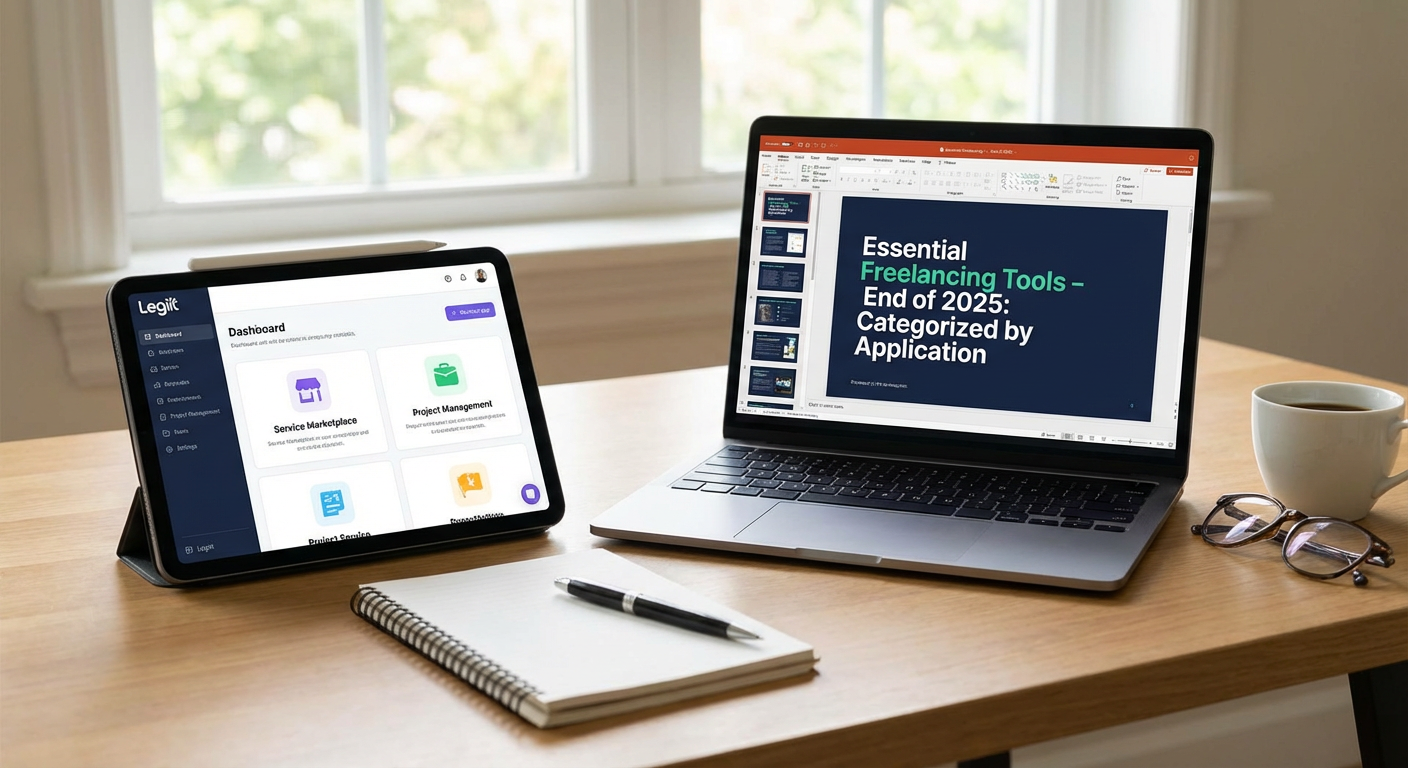
10 Hidden Gem Tools for Your Freelancing Business, Categorized by Application

10 Hidden Gem Tools for Your Freelancing Business, Categorized by Application

Most freelancers stick to the big-name tools everyone talks about. But if you dig a little deeper, you’ll find some remarkable options that fly under the radar. These lesser-known tools often cost less, work just as well, and sometimes even better than their famous counterparts. This list highlights underrated tools across different categories that can make your freelance work smoother, faster, and more profitable. Whether you need help with client management, payments, or productivity, these hidden gems deserve a spot in your toolkit.

  1. Legiit for Service Marketplace and Project ManagementLegiit for Service Marketplace and Project Management

    While most freelancers flock to the usual marketplace platforms, Legiit offers a refreshingly different approach that many haven’t discovered yet. This platform combines a service marketplace with built-in project management features, letting you sell your services and manage client work all in one place. What makes it stand out is its focus on digital services and marketing work, with a community that values quality over racing to the bottom on pricing.

    Legiit also includes tools for creating service packages, managing revisions, and communicating with clients without juggling multiple apps. The platform takes a smaller cut than many competitors, which means more money stays in your pocket. For freelancers tired of the usual suspects in the marketplace space, Legiit provides a solid alternative worth exploring.

  2. Wave for Accounting and InvoicingWave for Accounting and Invoicing

    Wave rarely gets the attention it deserves, despite offering completely free accounting and invoicing software for small businesses and freelancers. You can create professional invoices, track expenses, scan receipts, and even run financial reports without paying a monthly subscription. The interface is clean and straightforward, making it easy to stay on top of your finances without an accounting degree.

    The only costs you’ll encounter are optional payment processing fees if you want clients to pay directly through Wave. For freelancers who don’t need advanced inventory tracking or complex multi-currency features, Wave handles everything you need. It’s particularly useful for new freelancers who want professional financial tools without the hefty price tag of QuickBooks or FreshBooks.

  3. Notion for Client Documentation and Knowledge Management

    Notion often gets lumped in with note-taking apps, but it’s much more powerful than that for freelancers. You can build custom databases to track clients, projects, and deliverables, all while maintaining a knowledge base of your processes and templates. The flexibility means you can design exactly the workspace you need instead of forcing your work into someone else’s system.

    Many freelancers use Notion to create client portals where they share project updates, style guides, and resources. You can also build a personal wiki of your best practices, code snippets, writing templates, or design assets. The free tier is generous enough for most solo freelancers, and the learning curve pays off quickly once you understand how blocks and databases work together.

  4. Fathom for Privacy-Focused Website Analytics

    Google Analytics dominates the analytics space, but Fathom offers a simpler, privacy-friendly alternative that many freelancers prefer. It gives you the essential metrics you need without cookie banners, complex setup, or data privacy headaches. The dashboard shows your traffic, top pages, and referral sources in a clean interface you can understand at a glance.

    For freelancers who run their own websites or manage sites for clients, Fathom complies with GDPR, CCPA, and other privacy regulations by default. You get reliable data without tracking individual visitors or selling their information to advertisers. The pricing is straightforward based on page views, and the service loads fast without slowing down your site.

  5. Missive for Team Email and Collaboration

    If you work with a small team or collaborate with other freelancers, Missive solves the shared inbox problem better than most tools. It lets multiple people manage the same email address without forwarding messages back and forth or wondering who responded to what. You can assign emails, add internal comments, and track conversations without clients seeing your behind-the-scenes coordination.

    Missive also integrates with chat features, so you can discuss a client email right next to the message itself. This keeps all communication context in one place instead of scattered across email, Slack, and project management tools. The interface feels more modern than traditional email clients, and it works across desktop and mobile devices smoothly.

  6. Canny for Client Feedback and Feature Requests

    Canny helps freelancers who build products or provide ongoing services collect and organize client feedback in one central place. Instead of tracking feature requests in random emails, messages, and notes, Canny creates a board where clients can submit ideas and vote on what matters most. This helps you prioritize work based on what clients actually want rather than guessing.

    The tool also lets you update clients on progress, mark features as planned or completed, and keep everyone in the loop. For freelancers working on apps, websites, or long-term projects with multiple stakeholders, Canny prevents good ideas from getting lost. The free tier works well for small client bases, and the interface is simple enough that clients can use it without training.

  7. Loom for Asynchronous Video Communication

    Loom lets you record quick video messages instead of typing long emails or jumping on unnecessary calls. You can record your screen, your face, or both while explaining a concept, giving feedback, or walking through a deliverable. This saves time for both you and your clients, especially when working across different time zones.

    Many freelancers use Loom to present work, explain revisions, or provide tutorials to clients. A five-minute video often communicates more clearly than a dozen back-and-forth emails. Recipients can watch at their convenience and leave timestamped comments on specific parts of the video. The free plan includes enough recording time for most freelancers, and videos are easy to share with a simple link.

  8. Tally for Simple Form Building

    Tally flies under the radar compared to Typeform or Google Forms, but it offers a cleaner, more flexible way to create forms for your freelance business. You can build intake forms, questionnaires, surveys, and even simple order forms without paying for premium features. The forms look professional by default, and you can customize them to match your brand.

    What sets Tally apart is its generous free tier and the ability to accept payments through forms if needed. You can also integrate with other tools through webhooks or Zapier. For freelancers who need to gather information from clients before starting projects, Tally streamlines the process without adding another expensive subscription to your stack.

  9. Noisli for Focus and Productivity

    Noisli is a simple background noise generator that helps freelancers maintain focus during deep work sessions. You can mix different sounds like rain, thunder, wind, or coffee shop ambiance to create the perfect audio environment. This is particularly helpful when working from home with distractions or in noisy coworking spaces.

    The tool also includes a basic timer and text editor, making it useful for timed writing sessions or focused work blocks. Unlike music, which can be distracting with lyrics and varying tempos, these ambient sounds mask irregular noises without pulling your attention. The web version is free, and the mobile apps are inexpensive compared to other productivity tools.

  10. Whereby for Simple Video Calls

    Whereby offers a more straightforward video calling experience than Zoom or Google Meet, which many freelancers appreciate. You get a permanent room link that you can reuse for all your client calls, so there’s no need to generate new meeting links every time. Clients can join directly from their browser without downloading software or creating accounts.

    The free tier includes one room with up to 100 minutes per meeting, which covers most client calls. The interface is minimal and distraction-free, putting the focus on conversation rather than features you’ll never use. For freelancers who want reliable video calls without the complexity of enterprise platforms, Whereby gets the job done with less hassle.

These hidden gem tools prove you don’t always need the most popular option to run a successful freelance business. Many of these lesser-known alternatives offer better value, simpler interfaces, or more focused features than their famous competitors. The key is finding tools that match your specific needs rather than following what everyone else uses. Start by testing one or two that address your biggest pain points, and you might discover they work even better than the tools you thought you needed. Your freelance toolkit should make your work easier, not more complicated, and these underrated options deliver on that promise.

9 Team Hiring Marketplaces Compared: Which Platform Delivers the Best Value?

9 Team Hiring Marketplaces Compared: Which Platform Delivers the Best Value?

Hiring a full team instead of juggling multiple freelancers can transform how you execute projects. But not all marketplaces are built the same. Some excel at speed and flexibility, while others shine in vetting quality or offering specialized expertise. This comparison breaks down nine platforms where you can hire coordinated teams, examining their strengths, weaknesses, and trade-offs so you can choose the right fit for your needs and budget.

  1. Legiit: Transparent Pricing Versus Premium QualityLegiit: Transparent Pricing Versus Premium Quality

    Legiit positions itself as a marketplace built specifically for digital services, with many sellers offering team-based packages that bundle multiple skills under one roof. The pricing is transparent and often more budget-friendly than traditional agencies, making it accessible for small businesses and startups. You can find teams that handle everything from content creation to SEO campaigns without the markup you’d see elsewhere.

    The trade-off comes down to consistency. While many providers deliver excellent work, the quality can vary more than on heavily vetted platforms. You’ll need to review portfolios and ratings carefully. However, the lower barrier to entry means you can test different teams without massive financial commitment. For those willing to do a bit of research upfront, Legiit offers solid value, especially when you need specialized digital marketing teams that understand online business dynamics.

  2. Toptal: Elite Talent Versus High CostsToptal: Elite Talent Versus High Costs

    Toptal claims to accept only the top three percent of applicants, which means you’re getting highly vetted professionals. When you hire a team here, you can expect senior-level expertise across software development, design, finance, and project management. The screening process is rigorous, so the risk of a bad hire drops significantly.

    The downside is clear: cost. Toptal’s rates reflect their selective process, often running two to three times higher than mid-tier platforms. For complex technical projects where mistakes are expensive, this premium can be worth it. But if your budget is tight or your project is straightforward, you might be paying for expertise you don’t actually need. The platform works best for established companies that value reliability over affordability and can absorb higher hourly rates without flinching.

  3. Upwork: Flexibility Versus Management Overhead

    Upwork gives you the flexibility to assemble your own team by hiring multiple freelancers who can collaborate on your project. You control the roster, set the rates through negotiation, and can scale up or down as needed. The marketplace offers a massive talent pool spanning virtually every skill category, so finding team members is rarely a problem.

    The challenge is coordination. Unlike platforms that provide pre-formed teams, you’re responsible for managing communication, timelines, and quality control across different individuals. This can work well if you have project management experience, but it becomes a burden if you’re already stretched thin. You also face inconsistent quality since vetting standards are minimal. Upwork shines when you need flexibility and have the bandwidth to manage a distributed team, but it demands more hands-on involvement than turnkey team solutions.

  4. Gigster: Managed Service Versus Creative Control

    Gigster operates more like a tech consultancy than a traditional marketplace. When you hire through them, they assemble a team of developers, designers, and project managers tailored to your software project. The company handles all coordination, quality assurance, and timeline management, giving you a single point of contact instead of juggling multiple freelancers.

    The trade-off is creative control and cost. Gigster makes decisions about team composition and workflow, which streamlines execution but reduces your input into who works on what. Their pricing sits at the higher end, reflecting the white-glove service model. This approach suits clients who want a polished product without getting into the weeds of development sprints and task assignments. However, if you prefer being closely involved in daily decisions or need to keep costs down, the managed model might feel restrictive or overpriced.

  5. Gun.io: Vetted Developers Versus Limited Scope

    Gun.io focuses exclusively on software development teams, vetting developers through technical assessments and background checks. When you need a team for web applications, mobile apps, or backend systems, you’re getting professionals who’ve passed multiple screening stages. The platform also provides project management support to keep development on track.

    The limitation is scope. Gun.io doesn’t branch into design, marketing, or other disciplines, so you’ll need separate solutions if your project requires cross-functional collaboration. The pricing falls somewhere between budget platforms and premium services like Toptal, offering a middle ground for quality and cost. This works well for companies with a pure software need and existing resources for other functions, but less so for projects that require a more holistic team covering multiple domains.

  6. CloudPeeps: Niche Expertise Versus General Availability

    CloudPeeps specializes in marketing, content, and community management teams. The platform vets freelancers before allowing them to join, creating a curated pool of professionals who understand digital marketing strategy. You can hire individuals or request help assembling a small team for campaigns, content production, or social media management.

    The trade-off is availability and scale. Because the pool is smaller and more specialized, you might face longer lead times to find the right team, especially for urgent projects. The rates tend to be higher than open marketplaces but lower than full agencies, positioning CloudPeeps as a mid-tier option. This platform works best when you need marketing professionals who can hit the ground running without extensive onboarding, but it may frustrate you if you need large teams quickly or work in categories outside their focus area.

  7. Collective: Equity Partnerships Versus Traditional Payments

    Collective takes a different approach by connecting startups with teams willing to work partially or entirely for equity. This model lets early-stage companies access high-quality development, design, and marketing teams without immediate cash outlay. The teams you hire through Collective are often experienced professionals looking for ownership stakes in promising ventures.

    The obvious trade-off is equity dilution and risk alignment. You’re giving up a piece of your company, which can be costly if your startup succeeds. Teams also tend to be selective, choosing only projects they believe have strong potential, so approval isn’t guaranteed. This option makes sense when cash is tight but you have a compelling vision and are comfortable sharing ownership. However, if you prefer straightforward financial transactions and want to maintain full control of your cap table, traditional fee-based platforms offer cleaner arrangements.

  8. Working Not Working: Creative Teams Versus Technical Roles

    Working Not Working focuses on creative professionals, including designers, copywriters, art directors, and strategists. Many members work in established teams or are open to forming project-based groups. The platform emphasizes portfolio quality, so you’re browsing work samples that showcase real creative chops rather than just reading resumes.

    The limitation is discipline. If your project requires developers, data analysts, or other technical roles, you’ll need to look elsewhere. The pricing varies widely since the platform doesn’t standardize rates, meaning you’ll negotiate directly with teams. This can work in your favor if you’re budget-conscious and persuasive, or against you if you lack negotiation experience. Working Not Working excels for campaigns, branding projects, and content that requires a strong creative vision, but it’s not a one-stop shop for projects that blend creative and technical requirements.

  9. Crew: Curated Matching Versus Self-Service Speed

    Crew operates as a concierge service, matching you with pre-vetted teams based on your project requirements. You submit details about what you need, and their team recommends options from their network. This removes the burden of sifting through hundreds of profiles and trying to assess quality from limited information.

    The trade-off is speed and control. The matching process takes longer than browsing a marketplace and choosing someone immediately. You also have less visibility into the full range of available teams since Crew curates the selection for you. Pricing tends to reflect the added service layer, landing above self-service platforms. This model suits clients who value expert guidance and don’t want to become procurement specialists, but it frustrates those who prefer making their own decisions quickly or want to comparison shop extensively before committing.

Choosing the right marketplace depends on what you value most. If budget is your priority, platforms like Legiit offer accessible team options without agency premiums. If quality and reliability matter above all else, Toptal and Gigster provide vetted talent at higher price points. For those who need flexibility and don’t mind managing coordination themselves, Upwork gives you control over team assembly. Weigh the trade-offs honestly against your project requirements, timeline, and budget. The best platform isn’t the one with the most features but the one whose strengths align with what your specific situation demands.

15 High-Performance Platforms to Find AI & Automation Freelancers Who Deliver Results

15 High-Performance Platforms to Find AI & Automation Freelancers Who Deliver Results

When you need AI and automation work done, you want more than promises. You want proven results, measurable outcomes, and freelancers who can actually move the needle for your business. This list focuses on platforms where you can find specialists who bring real expertise to the table, with track records you can verify and portfolios that show concrete achievements. Whether you need someone to build a chatbot that converts, automate workflows that save hundreds of hours, or implement machine learning models that improve decision-making, these platforms connect you with professionals who deliver what they promise.

  1. LegiitLegiit

    Legiit stands out for businesses that want to see what they’re getting before they commit. The platform specializes in service providers who offer clearly defined deliverables, which means you know exactly what outcome to expect. Many AI and automation specialists on Legiit showcase their past results with specific metrics, like how much time a workflow saved or how many leads a chatbot generated.

    The review system on Legiit emphasizes completed projects and verified purchases, so you can assess a freelancer’s track record with confidence. You’ll find professionals offering everything from custom automation scripts to full AI integration services, all with transparent pricing and delivery timelines. For companies that need to justify ROI on their automation investments, this clarity makes budget planning and performance tracking much simpler.

  2. ToptalToptal

    Toptal operates on a screening model that accepts only the top few percent of applicants, which translates to working with freelancers who have proven themselves in real business environments. The AI and automation specialists here typically come with experience at major tech companies or successful startups, bringing lessons learned from high-stakes projects.

    Clients report strong results partly because Toptal matches you with candidates based on your specific technical requirements and business goals. The platform also offers a trial period, so you can evaluate performance before committing to a longer engagement. This reduces the risk of hiring someone who looks good on paper but can’t deliver measurable improvements to your operations.

  3. Gun.io

    Gun.io focuses on senior-level developers and technical specialists, including those working in AI and automation. The platform vets candidates through technical interviews and reference checks, which helps ensure you’re working with people who can handle complex implementations.

    What sets Gun.io apart for results-focused hirers is their emphasis on freelancers who have led projects from concept to completion. These aren’t junior developers experimenting with new tools. They’re professionals who understand how to architect solutions that scale, troubleshoot when things go wrong, and deliver systems that actually work in production environments. Clients often see faster time to value because these freelancers require less hand-holding and make fewer costly mistakes.

  4. Hired

    Hired flips the traditional hiring model by having freelancers apply to your specific project posting after you describe your needs and desired outcomes. This means the AI and automation specialists who reach out are already interested in your particular use case and have assessed whether they can deliver what you need.

    The platform includes salary and rate transparency, which helps you budget appropriately for the level of expertise required to achieve your goals. Freelancers on Hired typically include their previous company experience and technical stack, making it easier to identify candidates who have worked on problems similar to yours. This relevance often translates to better outcomes because you’re not paying someone to learn on your dime.

  5. A.Team

    A.Team assembles small teams of senior freelancers rather than connecting you with individuals, which can accelerate results for larger AI and automation projects. When you need to build a complete solution rather than fill a single role, having a coordinated group with complementary skills reduces communication overhead and integration problems.

    The teams here are curated based on past performance, and many members have built products that reached significant scale. For businesses pursuing measurable outcomes like reducing customer service costs or increasing conversion rates through automation, working with a pre-vetted team can compress timelines and improve the odds of successful implementation. You get multiple perspectives on solving your problem, which often leads to more robust solutions.

  6. Catalant

    Catalant focuses on connecting businesses with independent consultants who have deep expertise in specific domains, including AI strategy and automation implementation. The freelancers here often come from consulting backgrounds at firms like McKinsey or Bain, or from leadership roles at technology companies.

    For results-oriented projects, this matters because these professionals know how to tie technical work to business outcomes. They don’t just build an automation system. They help you identify which processes will deliver the highest ROI when automated, then execute the implementation with clear success metrics. The platform’s project management support also helps keep deliverables on track, which is critical when you’re paying premium rates and expecting premium results.

  7. Worksome

    Worksome operates as a freelance management platform that includes a marketplace of pre-vetted talent in technical fields like AI and automation. The platform emphasizes compliance and quality control, which reduces the administrative burden on your side while maintaining high standards for the freelancers you hire.

    From a results perspective, Worksome’s strength lies in its ability to manage ongoing relationships with multiple freelancers across different projects. If your automation needs span several departments or require iterative improvements over time, having a centralized system to track performance, manage contracts, and measure outcomes across all your freelance engagements becomes valuable. This consolidated view makes it easier to calculate total ROI on your automation investments.

  8. Gigster

    Gigster specializes in software development projects and uses a managed service model where they assemble teams and oversee delivery. For AI and automation work, this means you get a project manager who ensures the technical team stays focused on your defined success criteria.

    Clients working with Gigster often see better outcomes because there’s built-in accountability. The platform takes responsibility for delivery quality and timeline adherence, which reduces the risk that your project will stall or deliver subpar results. This structure works particularly well for companies that need complex AI implementations but lack the internal expertise to manage technical freelancers effectively. You define what success looks like, and Gigster’s team works toward those specific metrics.

  9. Braintrust

    Braintrust operates as a user-owned talent network where freelancers keep more of what they earn compared to traditional platforms. This economic model attracts experienced AI and automation specialists who might otherwise work through agencies or high-fee platforms.

    For businesses focused on results, the advantage is access to senior talent at more competitive rates, which means your budget can stretch further or you can invest more in the actual work rather than platform fees. The freelancers here often have extensive portfolios showing completed projects with measurable outcomes. The community-driven review system also tends to surface honest feedback about what a freelancer actually delivered, not just whether they were pleasant to work with.

  10. Expert360

    Expert360 focuses on connecting businesses with consultants and freelancers who bring strategic thinking alongside technical skills. The AI and automation professionals on this platform typically work at a higher level, helping you identify opportunities and implement solutions that drive business value.

    The platform’s strength for results-oriented hiring is its emphasis on business outcomes rather than just technical capabilities. Freelancers here are accustomed to being evaluated on metrics like cost savings, revenue growth, or efficiency improvements. They build their proposals around the results you want to achieve, then structure their work to deliver against those specific goals. This alignment from the start increases the likelihood that your project will generate measurable returns.

  11. CloudPeeps

    CloudPeeps specializes in marketing and operational roles but includes a strong contingent of professionals who implement marketing automation and AI tools for content, customer engagement, and lead generation. These freelancers focus on the application side of AI rather than pure development.

    For companies looking to improve marketing performance through automation, CloudPeeps connects you with specialists who measure their success in leads generated, conversion rates improved, or time saved on repetitive tasks. The platform’s community is particularly strong in areas like email automation, chatbot implementation for customer service, and AI-assisted content creation, all with an emphasis on what these tools accomplish for your business rather than just the technology itself.

  12. Collective

    Collective serves independent businesses and high-earning freelancers by providing back-office support, but their network includes many AI and automation consultants who work on a contract basis with multiple clients. These professionals tend to be specialists who have carved out profitable niches.

    What makes this network valuable for results-focused hiring is that the freelancers here run sustainable businesses, which means they depend on repeat clients and referrals. This creates strong incentives to deliver measurable results. They typically work with clear contracts that define deliverables and success metrics upfront. Many focus on specific industries or use cases where they’ve developed repeatable processes that reliably produce outcomes, reducing the experimentation risk for new clients.

  13. Experfy

    Experfy positions itself as a marketplace for data science and AI expertise, connecting businesses with specialists who have advanced degrees and professional experience in machine learning, data engineering, and AI implementation. The platform emphasizes academic credentials and technical depth.

    For projects where results depend on sophisticated modeling or complex data work, Experfy’s talent pool brings the mathematical and statistical knowledge needed to build systems that actually improve predictions or automate intelligent decisions. These aren’t generalists dabbling in AI. They’re specialists who understand model performance metrics, can validate that their work produces accurate results, and know how to deploy AI systems that maintain their effectiveness over time. This expertise translates directly to better outcomes for technical AI projects.

  14. Pilot

    Pilot operates as a matching service for technical freelancers and includes a growing number of AI and automation specialists in their network. The platform handles vetting and matching based on your project requirements, then steps back to let you work directly with the freelancer.

    The results-focused advantage here is that Pilot pre-screens for both technical ability and professional reliability. They assess whether freelancers have consistently delivered quality work on time in past engagements. For businesses that have been burned by freelancers who overpromised and underdelivered, this screening reduces risk. You still maintain direct control over the project and can measure outcomes yourself, but you start with candidates who have proven they can execute.

  15. Andela

    Andela focuses on connecting companies with software developers from Africa, Latin America, and other regions with strong technical talent. Their AI and automation specialists go through technical assessments and soft skills training before joining the platform.

    From a results standpoint, Andela’s model works well for businesses that need longer-term support rather than one-off projects. The freelancers here often work as extended team members on ongoing automation initiatives, which means they become familiar with your systems and can deliver increasing value over time. The platform also provides performance monitoring and support, helping ensure that the work you’re paying for actually moves your metrics. For companies building out AI capabilities over months rather than weeks, this sustained engagement model often produces better cumulative results than constantly onboarding new contractors.

Finding AI and automation freelancers who deliver measurable results requires looking beyond portfolios and focusing on platforms that emphasize proven performance, clear deliverables, and accountability. The platforms on this list each offer different strengths, from elite vetting processes to managed services that take responsibility for outcomes. Your best choice depends on whether you need strategic guidance, hands-on implementation, or long-term support, but all fifteen options connect you with professionals who understand that technical skills only matter if they produce business value. Start with the platform that matches your project scope and budget, clearly define what success looks like, and you’ll be well-positioned to find someone who can deliver the results your business needs.

12 Enterprise-Ready Platforms That Outperform Fiverr for High-Intent Corporate Clients

12 Enterprise-Ready Platforms That Outperform Fiverr for High-Intent Corporate Clients

When your organization needs freelance talent at scale, Fiverr’s gig-based model often falls short. Enterprise teams require platforms that deliver vetted professionals, support complex workflows, and integrate with corporate compliance requirements. This list highlights platforms built for organizations that need reliable, high-intent service providers who understand business objectives and can handle serious projects. Whether you manage procurement for a Fortune 500 company or lead a growing startup, these alternatives offer the structure, security, and quality your team demands.

  1. Legiit: White-Label Solutions and Agency-Scale Service DeliveryLegiit: White-Label Solutions and Agency-Scale Service Delivery

    Legiit stands apart by catering to agencies and businesses that need consistent, repeatable service delivery at scale. The platform specializes in digital marketing services with providers who often run their own agencies, meaning they understand client management, reporting requirements, and deadline accountability.

    What makes Legiit particularly valuable for enterprise buyers is the focus on established service providers rather than one-off freelancers. Many sellers offer white-label options, allowing your team to resell services under your brand or integrate them into larger client deliverables. The platform also supports bulk ordering and recurring service agreements, which simplifies procurement when you need the same service delivered multiple times across different business units or client accounts.

  2. Toptal: Rigorously Screened Talent for Mission-Critical ProjectsToptal: Rigorously Screened Talent for Mission-Critical Projects

    Toptal maintains one of the most selective vetting processes in the freelance marketplace, accepting only the top three percent of applicants. For enterprises handling sensitive projects or complex technical work, this screening provides confidence that contractors can deliver at the level your internal teams expect.

    The platform assigns dedicated account managers to enterprise clients, helping coordinate multiple freelancers and ensuring project continuity. Their talent pool includes senior developers, financial analysts, product managers, and designers who have worked with recognizable brands. Toptal also handles compliance documentation and can accommodate custom contract terms, making legal review and vendor onboarding far simpler than dealing with individual contractors found on general marketplaces.

  3. Catalant: Strategic Consulting for Executive-Level Initiatives

    Catalant focuses on connecting enterprises with independent management consultants and subject matter experts who typically command rates comparable to traditional consulting firms. This platform serves organizations that need strategic guidance, not task-based work.

    The talent network includes former partners from McKinsey, Bain, and BCG, along with industry specialists in areas like regulatory compliance, digital transformation, and market expansion. Catalant’s team works closely with client stakeholders to define project scope and success metrics, then matches you with consultants who have direct experience in your specific challenge. Their engagement model supports everything from short advisory sprints to multi-month transformation projects, with built-in governance structures that align with corporate project management standards.

  4. Business Talent Group: Executive-Caliber Professionals for Strategic Work

    Business Talent Group specializes in placing high-level independent professionals into enterprise environments for strategic projects. Their network includes former C-suite executives, senior vice presidents, and practice leads who bring both hands-on expertise and strategic thinking.

    This platform works particularly well when you need someone who can walk into a boardroom, understand corporate politics, and communicate at the executive level. BTG handles all the contracting, compliance, and payment logistics, acting more like a specialized staffing firm than a marketplace. They also provide project oversight and quality assurance, which reduces risk when bringing external expertise into sensitive business areas. The trade-off is higher rates, but the talent quality and support structure justify the premium for enterprise-scale initiatives.

  5. Upwork Enterprise: Managed Programs with Compliance Infrastructure

    While standard Upwork serves individual buyers, Upwork Enterprise offers dedicated account management, centralized billing, and compliance tools designed for large organizations. The enterprise tier provides access to compliance documentation, W-9 collection, and vendor management features that satisfy procurement requirements.

    The platform allows you to create private talent clouds, essentially curating a roster of pre-approved freelancers who have already cleared your vetting process. This dramatically reduces hiring time for repeat engagements. Upwork Enterprise also integrates with common enterprise software like Slack, Jira, and various HRIS systems, making it easier to incorporate external talent into existing workflows. The spend management dashboard gives procurement teams visibility into freelance spending across departments, which helps with budget forecasting and cost allocation.

  6. Graphite: Nimble Expertise for Growth-Stage and Enterprise Teams

    Graphite positions itself between traditional marketplaces and high-touch consulting firms, offering independent consultants and fractional executives who work on retainer or project basis. The platform focuses on marketing, sales, and operational roles rather than pure technical development.

    What sets Graphite apart is their emphasis on cultural fit and team integration. Their matching process considers not just skills but also communication style, industry background, and preferred working arrangements. This makes the platform particularly useful when you need someone to embed with an internal team for weeks or months rather than complete a standalone deliverable. Graphite handles contracting, payments, and insurance, while also providing engagement managers who check in regularly to ensure projects stay on track and both parties remain satisfied with the arrangement.

  7. A.Team: Pre-Formed Product Teams for Complex Builds

    A.Team takes a different approach by offering pre-assembled teams rather than individual freelancers. Each team includes complementary roles like product manager, designer, and developers who have already worked together successfully.

    For enterprises launching new digital products or undertaking major platform rebuilds, this model eliminates the coordination overhead of hiring and managing multiple individual contractors. The teams on A.Team typically include senior practitioners from companies like Google, Apple, and Facebook who now work independently. The platform handles team assembly, contracts, and project management support. Their engagement model assumes multi-month commitments and six-figure budgets, making it suitable for substantial initiatives where team cohesion and velocity matter as much as individual skill.

  8. Expert360: Compliance-First Marketplace for Regulated Industries

    Expert360 built its platform with particular attention to compliance requirements common in financial services, healthcare, and government contracting. The company maintains detailed documentation on worker classification, tax compliance, and professional indemnity insurance.

    Their talent network undergoes background checks and credential verification, with additional screening available for clients in regulated industries. Expert360 also provides MSP (managed service provider) options for enterprises that need to consolidate freelance spend under a single vendor relationship. This simplifies vendor management and provides cleaner audit trails when regulators or internal compliance teams review contractor relationships. The platform operates primarily in Australia and the Asia-Pacific region but has expanded to serve multinational corporations with operations in those markets.

  9. Kolabtree: Specialized Scientific and Technical Expertise

    Kolabtree serves enterprises that need PhD-level expertise in scientific, medical, and technical domains. The platform connects companies with scientists, researchers, and subject matter experts for projects like literature reviews, data analysis, regulatory submissions, and technical writing.

    This becomes particularly valuable for pharmaceutical companies, biotech firms, and R&D departments that need specialized knowledge on a project basis rather than hiring full-time PhD staff. Kolabtree verifies academic credentials and publications, providing confidence that experts have legitimate domain authority. The platform supports non-disclosure agreements and confidential projects, recognizing that much of the work involves proprietary research or competitive intelligence. Pricing reflects the specialized nature of the talent pool, with rates appropriate for doctoral-level expertise.

  10. Worksome: European-Focused Compliance and Contractor Management

    Worksome provides a freelance management system designed specifically for European enterprises dealing with complex labor regulations across multiple jurisdictions. The platform handles contractor classification, GDPR compliance, and country-specific employment law considerations.

    For multinational corporations with European operations, Worksome reduces legal risk when engaging contractors across different countries. The platform maintains relationships with legal experts in each market and updates its compliance frameworks as regulations change. Worksome also provides spend analytics, automated invoicing, and integration with SAP and Oracle procurement systems. While the talent marketplace itself is smaller than global platforms, the compliance infrastructure makes it worthwhile for enterprises that prioritize regulatory adherence over marketplace size.

  11. MBO Partners: Enterprise-Grade Contractor Management and Risk Mitigation

    MBO Partners functions as an intermediary that becomes the legal employer of independent contractors, shielding enterprises from worker misclassification risk. This model appeals to risk-averse organizations and industries where misclassification penalties are severe.

    The company handles payroll, benefits administration, tax withholding, and compliance documentation for contractors who work on your projects. From your organization’s perspective, you have a single vendor relationship with MBO Partners rather than contracts with dozens of individuals. This dramatically simplifies vendor management and provides cleaner separation between your company and the actual workers. MBO Partners works best for longer-term engagements rather than short projects, and their fee structure reflects the comprehensive services they provide. Many Fortune 500 companies use MBO Partners specifically to reduce legal exposure when scaling contractor relationships.

  12. Fiverr Enterprise: Curated Talent with Dedicated Support

    Fiverr Enterprise represents the company’s attempt to serve corporate clients who need more structure than the standard marketplace provides. The enterprise tier includes account managers, curated talent pools, and centralized billing that addresses some of the pain points enterprises experience with consumer-focused marketplaces.

    The platform gives you access to Fiverr Pro sellers who have undergone additional vetting, along with tools for managing multiple projects and team members. Fiverr Enterprise also provides usage analytics and approval workflows that help larger organizations maintain oversight of freelance spending. While it lacks some of the compliance infrastructure and high-touch service of specialized enterprise platforms, it offers a middle ground for companies that want marketplace convenience with some enterprise features. The pricing model moves from per-gig fees to subscription-based access, which can provide cost savings for organizations with consistent freelance needs.

Choosing the right platform depends on your specific enterprise needs, whether that’s compliance infrastructure, talent quality, team coordination, or specialized expertise. Fiverr serves individual buyers well, but organizations operating at scale benefit from platforms built around their unique requirements. Start by identifying your primary concern, whether it’s legal risk, talent caliber, or project complexity, then select the platform that addresses that priority most directly. Most of these services offer pilot programs or trial engagements, allowing you to test their model before committing to a long-term vendor relationship. The investment in finding the right platform pays dividends in reduced management overhead, better project outcomes, and fewer compliance headaches down the road.

11 Beginner-Friendly Upwork Alternatives That Make Hiring Simple and Fast

11 Beginner-Friendly Upwork Alternatives That Make Hiring Simple and Fast

If you’re new to hiring freelancers online, Upwork can feel overwhelming with its complicated fee structure, steep learning curve, and crowded marketplace. The good news is that plenty of other platforms make the hiring process much easier for beginners. These alternatives offer clearer interfaces, simpler pricing, and faster ways to connect with skilled professionals. Whether you need a logo designer, a content writer, or a virtual assistant, this list will help you find platforms that get you started quickly without the confusion. Each option here prioritizes ease of use and speed, so you can focus on growing your business instead of figuring out complex systems.

  1. LegiitLegiit

    Legiit works like an online service marketplace where freelancers list specific services at fixed prices, making it perfect for beginners who want to avoid the back-and-forth of traditional bidding. You simply browse through pre-packaged services, read reviews, and buy what you need. There’s no need to post a job, wait for proposals, or negotiate rates, which removes much of the stress from the hiring process.

    The platform focuses heavily on digital marketing and SEO services, but you’ll also find writers, designers, developers, and virtual assistants. Since each seller clearly displays what they offer and what it costs, you know exactly what you’re getting before you spend a dollar. This transparency makes Legiit one of the easiest platforms for first-time buyers who feel intimidated by more complex freelance marketplaces.

  2. FiverrFiverr

    Fiverr pioneered the concept of buying freelance services like products, and it remains one of the most beginner-friendly platforms available. Instead of posting jobs and reviewing countless proposals, you browse through service listings called gigs, each with clear descriptions, pricing, and delivery times. Most gigs start at accessible price points, which makes testing different freelancers low-risk for newcomers.

    The search and filter system is straightforward, letting you sort by budget, delivery speed, and seller rating. You can see exactly how many orders a seller has completed and read detailed reviews from previous buyers. This system removes much of the guesswork and gives you confidence in your hiring decisions. For anyone making their first freelance hire, Fiverr’s simplicity and structure make it an excellent starting point.

  3. Contra

    Contra stands out for its clean, modern interface and its complete lack of platform fees, which makes budgeting simpler for beginners. The platform feels more like a professional network than a traditional job board, and it’s designed to help you find freelancers quickly through portfolio browsing and direct messaging.

    What makes Contra particularly beginner-friendly is its focus on transparency and simplicity. Freelancers showcase their work prominently, and you can hire them for projects or ongoing work without worrying about hidden costs or complex fee calculations. The platform also supports commission-free payments, so the price you agree on is the price you pay. If you want a straightforward hiring experience without learning complicated platform rules, Contra delivers exactly that.

  4. PeoplePerHour

    PeoplePerHour combines the simplicity of service browsing with the option to post projects when you need something custom. The platform organizes freelancers into clear categories, and many offer pre-priced hourlie packages that work like fixed-price services. This dual approach gives beginners flexibility without forcing them into a single hiring method.

    The interface is clean and easy to understand, with helpful filters that let you sort by price range, delivery time, and seller location. You can see verified reviews and ratings for each freelancer, which helps you make informed decisions quickly. The platform also provides clear guidance throughout the hiring process, making it less intimidating for first-time buyers. Whether you need a quick task completed or a larger project managed, PeoplePerHour makes both options accessible.

  5. Guru

    Guru offers a more traditional freelance marketplace but with a simpler, less cluttered interface than Upwork. The platform lets you post jobs and receive proposals, but it also includes a WorkRoom feature that centralizes all communication, files, and payments in one place. This organization helps beginners keep track of everything without juggling multiple tools or platforms.

    The payment system is particularly beginner-friendly because it offers SafePay, which holds your funds securely until you approve the work. This protection gives new buyers confidence that they won’t lose money on unsatisfactory work. Guru also provides clear categories and search filters that make finding the right freelancer straightforward. If you want a traditional hiring experience with better organization and protection, Guru provides a gentle introduction to project-based freelancing.

  6. Freelancer.com

    Freelancer.com operates as a straightforward bidding platform where you post your project and receive proposals from interested freelancers. While this sounds similar to Upwork, the interface is simpler and the learning curve is gentler. The platform provides helpful prompts and templates when you create a project listing, which guides beginners through the process step by step.

    You can set fixed prices or hourly rates depending on your preference, and the platform includes contests where multiple freelancers submit sample work for your review. This contest feature is particularly useful for design projects when you want to see actual results before committing to a hire. The milestone payment system protects both parties and makes budgeting predictable. For beginners who want to try the traditional proposal-based hiring model without feeling overwhelmed, Freelancer.com offers a solid middle ground.

  7. MarketerHire

    MarketerHire simplifies hiring by doing most of the vetting and matching work for you, which is perfect for beginners who don’t know how to evaluate marketing talent. You fill out a brief questionnaire about your needs, and the platform matches you with pre-screened marketers within 48 hours. This curated approach removes the burden of sorting through dozens of proposals or profiles.

    The platform focuses specifically on marketing roles like social media managers, content strategists, SEO specialists, and paid advertising experts. Because MarketerHire pre-vets every freelancer, you can trust that the people you’re matched with have proven skills and experience. The pricing is transparent, and you work directly with the freelancer once matched. If you’re new to hiring and feel uncertain about evaluating candidates yourself, this assisted matching process makes everything much easier.

  8. 99designs

    99designs specializes exclusively in design work, which makes it incredibly focused and easy to use for anyone needing logos, websites, packaging, or other visual content. The platform offers two main hiring methods: launching a design contest where multiple designers submit concepts, or working one-on-one with a specific designer. Both options are beginner-friendly, but contests are particularly helpful when you’re not sure exactly what you want.

    The contest model lets you receive dozens of design concepts from different designers, and you only pay for the final design you choose. This approach removes the risk of hiring someone whose style doesn’t match your vision. The platform provides clear category selections, helpful questionnaires to define your project, and transparent pricing tiers. For first-time buyers who need design work but feel intimidated by the creative hiring process, 99designs makes everything visual, simple, and low-risk.

  9. Toptal

    Toptal takes a completely different approach by handling all the screening and matching for you, which is ideal for beginners who want expert help without the hassle. The platform rigorously vets every freelancer before accepting them, claiming to accept only the top 3% of applicants. When you submit your project requirements, Toptal’s team matches you with suitable candidates within days.

    This white-glove service comes at a premium price point, but it removes nearly all the complexity from hiring. You don’t browse profiles, review proposals, or worry about quality, because Toptal guarantees the caliber of their talent. The platform specializes in developers, designers, and finance experts, making it perfect for technical projects where quality matters more than budget. If you’re a beginner who values expert guidance and is willing to invest more for a hands-off experience, Toptal provides the simplest possible hiring process.

  10. CloudPeeps

    CloudPeeps focuses specifically on marketing, content, and community management roles, which makes it less overwhelming than generalist platforms with thousands of categories. The platform carefully curates its freelancer community, so you’re browsing through pre-vetted professionals rather than sorting through unqualified applicants. This quality control saves beginners enormous amounts of time and frustration.

    The interface is clean and simple, with clear profiles that showcase each freelancer’s experience, rates, and availability. You can post a project and receive applications, or you can browse profiles and reach out directly to people who match your needs. The platform also offers helpful resources and guides for first-time hirers, which further reduces the intimidation factor. If you need marketing or content help and want a curated, manageable selection of qualified freelancers, CloudPeeps provides exactly that.

  11. ServiceScape

    ServiceScape specializes in editing, writing, translation, and graphic design services, offering a focused alternative for beginners who need these specific skills. The platform verifies every freelancer’s credentials and experience, which means you’re choosing from qualified professionals rather than sorting through mixed-quality profiles. This verification process gives new buyers confidence in their hiring decisions.

    The interface is straightforward, with clear service categories and transparent pricing. You can request quotes from multiple freelancers and compare their rates, experience, and reviews before making a decision. The platform also offers fixed-price services for common tasks like manuscript editing or resume writing, which removes pricing uncertainty. For beginners who need writing, editing, or translation work and want a simple, trustworthy platform with verified professionals, ServiceScape offers a focused and accessible solution.

Hiring freelancers doesn’t have to be complicated or stressful. These beginner-friendly platforms remove much of the confusion by offering clearer interfaces, simpler pricing models, and faster ways to connect with skilled professionals. Whether you prefer browsing pre-packaged services, receiving curated matches, or posting projects with guided templates, there’s a platform here that fits your comfort level. Start with one that matches your specific needs and budget, and remember that your first hire is a learning experience. Most of these platforms offer some form of buyer protection, so you can experiment with confidence. The right alternative to Upwork is simply the one that makes you feel comfortable and gets you results quickly.

17 Freelance Marketplaces Compared: Which Budget-Friendly Option Wins for Small Businesses?

17 Freelance Marketplaces Compared: Which Budget-Friendly Option Wins for Small Businesses?

Choosing a freelance marketplace for your small business isn’t just about finding talent. It’s about balancing quality, cost, and features to get the best return on your investment. Each platform comes with its own pricing structure, talent pool, and trade-offs. Some charge steep fees but offer protection, while others save you money at the expense of vetting. This list breaks down 17 popular freelance marketplaces so you can see how they stack up against each other and decide which one fits your budget and business needs.

  1. LegiitLegiit

    Legiit positions itself as a straightforward marketplace for digital services, with a focus on marketing, SEO, and content creation. The platform charges sellers a service fee, which keeps costs predictable for buyers compared to percentage-based models on other sites. You’ll find fixed-price services listed clearly, so there’s less haggling and more transparency upfront.

    The trade-off here is selection. Legiit‘s talent pool is smaller than giants like Upwork or Fiverr, but many small businesses find this works in their favor. Fewer options mean less time sorting through profiles, and the niche focus on digital marketing attracts specialists rather than generalists. If you need marketing help without the overwhelm of massive marketplaces, Legiit offers a middle ground between affordability and focused expertise.

  2. UpworkUpwork

    Upwork is the largest freelance marketplace by user base, offering everything from web developers to virtual assistants. The platform charges clients a sliding service fee starting at 5% for larger contracts, which is competitive. However, hourly rates can climb quickly, especially for experienced professionals who know their worth.

    The biggest advantage is choice. You can post a job and receive dozens of proposals within hours. The downside? Sorting through those proposals takes time, and quality varies wildly. Upwork’s vetting process is minimal, so you’re responsible for screening candidates. For small businesses with tight budgets, the time investment can offset the initial cost savings. Upwork works best when you know exactly what you need and can evaluate talent efficiently.

  3. Fiverr

    Fiverr built its reputation on five-dollar gigs, though most services now cost much more. The platform uses a fixed-price model where freelancers list packages at set rates. Buyers pay a service fee of around 5.5%, which keeps transactions simple and predictable.

    The main trade-off is control. You’re choosing from pre-set packages rather than negotiating custom terms. This speeds up hiring but limits flexibility. Quality on Fiverr ranges from amateur to professional, and the rating system doesn’t always reflect the full picture. Budget-conscious businesses appreciate the transparency of pricing, but you’ll need to read reviews carefully and possibly test a few sellers before finding the right match. Fiverr excels for quick, small tasks but can feel limiting for complex projects.

  4. Freelancer.com

    Freelancer.com operates on a contest model alongside traditional hiring. You can post a project and have multiple freelancers submit sample work before you choose a winner. This reduces risk but adds complexity. The platform charges a 3% project fee for basic members, which is lower than many competitors.

    The contest feature is both an advantage and a drawback. You get to see actual work before committing, but it means freelancers are working for free upfront. This can attract less experienced talent willing to take that gamble. For straightforward projects like logo design or simple coding tasks, the contest model offers good value. For ongoing relationships or complex work, the traditional bidding system works better but still requires careful vetting.

  5. Toptal

    Toptal markets itself as the top 3% of freelance talent, with a rigorous screening process for developers, designers, and finance experts. There’s no public pricing, but expect rates significantly higher than most platforms. Toptal charges clients directly and handles all payment processing.

    The value proposition is clear: you pay premium rates for vetted professionals. For small businesses, this creates a tough trade-off. You’ll save time on screening and reduce the risk of bad hires, but hourly rates can reach $100 to $200 or more. Companies with critical projects and limited time to manage freelancers find Toptal worth the investment. Those watching every dollar will struggle to justify the cost, especially when other platforms offer competent talent at a fraction of the price.

  6. 99designs

    99designs specializes in graphic design and uses a contest-based model similar to Freelancer.com but with better quality control. You set a prize amount, describe your project, and receive multiple design submissions. The platform takes a percentage of the prize as its fee.

    This approach works well for visual projects where you need to see options before deciding. The downside is cost. Contest prizes start around $300 for basic packages and climb from there. You’re paying multiple designers to work on your project, which increases your total spend compared to hiring one person directly. For businesses that struggle to articulate design preferences, the contest model reduces miscommunication. If you know exactly what you want, hiring a single designer on another platform will cost less.

  7. PeoplePerHour

    PeoplePerHour caters to European and UK-based businesses but accepts clients globally. The platform charges a service fee that decreases as you spend more with the same freelancer, starting at 20% and dropping to 3.5%. This rewards ongoing relationships but makes initial projects expensive.

    The tiered fee structure is the key differentiator here. If you’re hiring for a one-off task, you’ll pay significantly more in fees than on platforms with flat rates. For businesses building long-term relationships with freelancers, the decreasing fees create real savings over time. The talent pool skews toward UK and European time zones, which is a plus for businesses in those regions and a potential drawback for others. PeoplePerHour makes sense when you plan to work with the same freelancer repeatedly.

  8. Guru

    Guru offers flexible payment options including hourly, fixed-price, and task-based arrangements. The platform charges a processing fee of 2.9% plus transaction costs, which is lower than most competitors. Guru also provides a workroom feature for collaboration and file sharing.

    The lower fees make Guru attractive for budget-conscious businesses, but there’s a catch. The platform requires a membership fee for full access to features like unlimited job posts and advanced search filters. Free members face limitations that can slow down the hiring process. Guru works well if you plan to hire regularly and can justify the membership cost. For occasional hiring, the savings on transaction fees may not offset the membership expense. The smaller user base also means fewer candidates per job post compared to Upwork or Fiverr.

  9. SimplyHired

    SimplyHired aggregates job listings from across the web, including freelance positions. It’s free to post jobs, and you pay nothing in platform fees. The catch is that you’re managing everything yourself, from screening to payment.

    This represents the ultimate trade-off between cost and convenience. You avoid all marketplace fees, but you also lose protections, payment processing, and dispute resolution services. SimplyHired works best for businesses with experience hiring freelancers and systems already in place for contracts and payments. First-time buyers or those seeking hands-off management will find the savings aren’t worth the added complexity. The platform shines for finding local freelancers or full-time contractors rather than quick project-based work.

  10. Catalant

    Catalant focuses on high-level consultants and business experts rather than task-based freelancers. The platform handles everything from matching to project management, but costs reflect this white-glove service. Expect to pay consultant rates plus platform fees.

    For small businesses, Catalant is a hard sell unless you need strategic expertise for a critical project. You’re paying for curation and managed services, which reduces risk but increases cost substantially. Companies needing help with business strategy, market research, or financial planning find value here. Those looking for execution work like content writing or web design will pay far more than necessary. Catalant competes with Toptal at the high end, offering a different talent pool but similar cost considerations.

  11. DesignCrowd

    DesignCrowd operates on a crowdsourcing model similar to 99designs but with a broader international talent pool. You post a design brief, set a prize amount, and receive submissions from designers worldwide. The platform takes a percentage of the prize.

    The international focus often means lower prices than 99designs, with contests starting around $100. The trade-off is more variable quality and potentially longer turnaround times due to time zone differences. DesignCrowd works well for budget-conscious businesses willing to provide detailed feedback and manage submissions actively. If you prefer a more curated experience, 99designs offers better quality control at a higher price. DesignCrowd represents the budget option in the design contest space.

  12. TaskRabbit

    TaskRabbit focuses on local, in-person tasks rather than remote freelance work. You’ll find help with everything from furniture assembly to moving to handyman services. Pricing includes an hourly rate set by the tasker plus a service fee charged to clients.

    This platform solves a different problem than most freelance marketplaces. For small businesses needing physical help, office setup, or local errands, TaskRabbit fills a gap. The costs can add up quickly with hourly rates plus fees, making it more expensive than hiring directly. However, the convenience and built-in insurance make it worth considering for occasional needs. TaskRabbit doesn’t compete with Upwork or Fiverr for digital services, but it’s the clear winner for local, physical tasks.

  13. Contra

    Contra takes a commission-free approach, charging freelancers nothing and instead making money through premium features. For buyers, this means potentially lower costs as freelancers don’t need to inflate rates to cover fees. The platform focuses on creative and tech professionals.

    The zero-commission model is appealing in theory, but Contra’s smaller user base limits your options. You’ll find fewer freelancers than on established platforms, which can extend your search time. The platform works best for businesses already networked in creative industries who can attract talent to the platform. For those starting from scratch, the limited selection may not offset the fee savings. Contra represents an interesting alternative model but hasn’t yet reached the scale to compete directly with major platforms.

  14. CloudPeeps

    CloudPeeps curates a community of marketing and content freelancers, positioning itself between open marketplaces like Upwork and exclusive platforms like Toptal. The platform vets freelancers before approval, and you can browse profiles or post projects. CloudPeeps charges a monthly subscription for access.

    The subscription model changes the cost calculation. If you hire frequently, the monthly fee plus freelancer rates may cost less than paying per-project fees elsewhere. For occasional hiring, you’re paying for access you don’t fully use. The curated community offers better quality than completely open platforms but not the top-tier vetting of Toptal. CloudPeeps fits businesses with ongoing marketing needs and budgets that can absorb a monthly platform cost in exchange for reduced per-project fees.

  15. Working Not Working

    Working Not Working serves the creative industry, connecting businesses with designers, art directors, and other creative professionals. The platform operates more like a job board with portfolio hosting than a traditional marketplace. Access to contact information requires a paid membership.

    This model works differently than project-based marketplaces. You’re essentially paying for access to a curated directory of creative talent, then negotiating directly. There are no transaction fees, but the membership cost is fixed regardless of how much you hire. For agencies or businesses with regular creative needs, the model makes sense. For small businesses hiring once or twice a year, paying an annual membership to make one hire is inefficient. Working Not Working targets companies with consistent creative hiring needs.

  16. Bark

    Bark flips the traditional marketplace model by having freelancers pay for leads rather than charging clients. You post your project for free, receive quotes from interested freelancers, and choose who to hire. There are no buyer fees.

    This model benefits clients financially but can attract aggressive sales tactics from freelancers trying to recoup their lead costs. You’ll receive multiple quotes quickly, but quality varies significantly. Bark covers a wide range of services from web design to legal help, making it more of a general services marketplace than a specialized freelance platform. For small businesses, the zero-cost model is appealing for initial outreach, but you’ll need strong screening skills to separate quality providers from those just trying to recover lead expenses.

  17. Mayple

    Mayple focuses specifically on marketing freelancers and agencies, with a matching service that pairs businesses with vetted professionals. The platform charges a flat monthly fee per engagement rather than percentage-based fees. Mayple also provides performance monitoring tools.

    The flat-fee model creates predictability but requires longer commitments. You’re essentially paying for a managed service rather than just marketplace access. For small businesses uncertain about marketing strategy, the guidance and matching service add value beyond what open marketplaces provide. The cost is higher than hiring directly on Upwork but lower than full-service agencies. Mayple fits the middle ground for businesses that need marketing expertise but can’t afford agency retainers. The trade-off is less control over freelancer selection compared to browsing profiles yourself.

Each freelance marketplace makes different trade-offs between cost, quality, convenience, and selection. Platforms with low fees often require more time for screening and management. Those with high fees or subscriptions offer better vetting and support. Your best choice depends on what you value most: saving money, saving time, or reducing risk. For quick tasks with tight budgets, platforms like Fiverr or Bark keep costs down. For critical projects where mistakes are expensive, investing in Toptal or Mayple makes sense. Most small businesses will find their sweet spot somewhere in the middle, balancing reasonable costs with adequate quality control. Test a few options to see which platform’s particular set of trade-offs aligns with how you work and what you can afford.

11 Upwork Alternatives That Cut Your Time to Hire in Half

11 Upwork Alternatives That Cut Your Time to Hire in Half

Upwork has its place, but the lengthy vetting process, competitive bidding wars, and drawn-out negotiations can leave you waiting weeks before work actually begins. If you need skilled help fast, whether for a one-off project or ongoing support, these alternatives focus on speed without sacrificing quality. Each platform on this list offers a different approach to connecting you with talent quickly, from curated marketplaces to specialized networks. Let’s look at options that get you from posting a need to starting work in days, not weeks.

  1. LegiitLegiit

    Legiit takes a marketplace approach that eliminates the back-and-forth of traditional freelance platforms. Instead of posting jobs and waiting for proposals, you browse pre-packaged services with fixed prices and clear deliverables. Freelancers list exactly what they offer, how long it takes, and what it costs, so you know what you’re getting before you buy.

    This structure speeds up hiring dramatically because there’s no negotiation phase. You find a service that matches your need, check the seller’s reviews and portfolio, and place an order. Many services start within 24 to 48 hours. The platform attracts digital marketing specialists, content creators, SEO experts, and web developers who prefer the clarity of fixed-scope work. If you need specific deliverables rather than hourly help, Legiit gets you moving fast.

  2. GuruGuru

    Guru offers a cleaner interface and faster communication tools than many legacy platforms. The SafePay system holds funds in escrow, which speeds up agreements because both parties feel protected from the start. Freelancers on Guru tend to respond quickly, often within hours, and the platform’s workroom feature keeps all project files, messages, and payments in one place.

    What makes Guru faster is its focus on repeat relationships. Once you find someone good, you can rehire them directly without reposting jobs or comparing dozens of proposals. The quality of freelancers skews toward experienced professionals rather than beginners, which means less time spent on revisions and corrections. For ongoing needs where speed and consistency matter, Guru builds momentum over time.

  3. Freelancer.com

    Freelancer.com emphasizes contest-based hiring, which can drastically cut time for creative projects. Instead of interviewing candidates, you post a contest with a prize amount, and freelancers submit completed work. You review actual results, pick a winner, and pay only for the work you choose.

    This model works well for logo design, naming projects, marketing copy, or any task where you’d rather see finished samples than portfolios. Contests typically run for three to seven days, meaning you go from posting to having multiple finished options in less than a week. The platform also supports traditional project postings, but the contest feature is where speed really shines. You skip the guesswork and hire based on real output.

  4. PeoplePerHour

    PeoplePerHour structures its marketplace around hourly packages and fixed-price offers, much like a service menu. Freelancers create “hourlies,” which are specific tasks bundled into set hours at set prices. This eliminates the proposal process entirely for many common tasks.

    Browsing hourlies is like shopping a catalog. You see offerings like “I will write 3 blog posts for $150” or “I will design 5 Instagram graphics for $75,” complete with delivery times. If the offer matches your need, you buy it and work starts immediately. The platform caters heavily to European freelancers, which can be a timing advantage if you’re working across time zones. For small to medium tasks where you know exactly what you want, PeoplePerHour keeps things moving.

  5. Toptal

    Toptal flips the speed equation by doing all the vetting upfront. The platform claims to accept only the top 3% of applicants, which means every freelancer you’re matched with has already passed rigorous technical and communication screenings. You describe your project needs, and Toptal’s matching team presents you with candidates within 24 to 48 hours.

    The cost is higher than budget platforms, but the time savings come from skipping the sorting process. You’re not wading through dozens of mediocre proposals. You interview one or two pre-screened experts and make a decision. Toptal specializes in developers, designers, and finance experts for complex projects. If your bottleneck is finding truly skilled people fast, and budget is less of a concern, Toptal delivers on speed through quality control.

  6. Bark

    Bark reverses the typical freelance model by having service providers come to you. You submit a request describing what you need, and Bark sends it to relevant professionals who then reach out with quotes. This approach saves you the work of searching and comparing profiles manually.

    Responses often arrive within hours because Bark notifies providers immediately when a matching request appears. The platform covers a wide range of services, from web design and marketing to event planning and personal training. You receive multiple quotes quickly, can ask follow-up questions, and hire the person who fits best. The speed comes from eliminating the search phase entirely. You state your need once and let qualified people find you.

  7. Gun.io

    Gun.io focuses exclusively on software developers and moves fast by maintaining a small, pre-vetted network. When you post a project, Gun.io’s internal team matches you with developers from their roster, often within a day. The platform handles contracts, payments, and logistics, so you skip administrative delays.

    Developers in the Gun.io network are typically senior-level professionals with proven track records. The platform requires code reviews and reference checks before admitting anyone, which means less time spent assessing technical skills yourself. If you need a developer who can jump into a complex codebase and contribute immediately, Gun.io’s curation speeds up both hiring and onboarding. The trade-off is a smaller pool of candidates, but for technical projects where expertise matters more than options, that’s often a good trade.

  8. Contra

    Contra markets itself as a commission-free platform, which attracts freelancers who can afford to price competitively. The interface is clean and modern, emphasizing portfolios and direct messaging. Freelancers maintain detailed profiles with work samples, testimonials, and availability calendars.

    What makes Contra faster is its emphasis on transparency and direct contact. There’s no bidding system or proposal process. You browse profiles, see examples of real work, and message people directly. Many freelancers list their availability and typical response times upfront. The lack of platform fees means freelancers are often more motivated to respond quickly and start projects without delay. For creative and marketing roles where portfolios tell the story, Contra cuts out the middleman and gets conversations started immediately.

  9. Codeable

    Codeable specializes in WordPress development and vetting is handled entirely by the platform. You submit a project request, and Codeable matches you with developers who have relevant experience. Matches typically happen within 24 hours, and you receive quotes from pre-screened experts.

    The narrow focus on WordPress means every developer knows the platform inside and out, which reduces onboarding time significantly. You’re not explaining basics or hoping someone figures it out. Codeable developers are vetted through technical assessments and trial projects before joining, so quality stays consistently high. If your project involves WordPress, whether a plugin, theme customization, or site migration, Codeable’s specialization speeds up both hiring and execution.

  10. Working Not Working

    Working Not Working caters to the creative industry, connecting brands with designers, art directors, copywriters, and other creative professionals. The platform maintains a curated network, and members display portfolios with high-quality work samples. You can search by specialty, location, or availability and contact people directly.

    The speed advantage comes from the platform’s focus on active job seekers. Members update their status to show when they’re available for work, so you’re not contacting people who are booked for months. The community skews toward experienced creatives who have worked with recognizable brands, which means less hand-holding and faster turnaround on creative projects. For agencies or companies needing design, branding, or content creation under tight deadlines, Working Not Working connects you with people ready to start now.

  11. Speedlancer

    Speedlancer lives up to its name by focusing on small tasks with fast turnarounds. The platform is built for micro-projects that take a few hours to a few days, like graphic edits, social media posts, short articles, or simple web updates. Freelancers on Speedlancer commit to delivering work within 24 to 48 hours.

    This structure works well when you need something done quickly and don’t want to invest time in a lengthy hiring process. You post a task with a budget, freelancers submit proposals, and you pick someone based on their profile and reviews. Because tasks are small and deadlines are tight, there’s an inherent pressure to move fast. Speedlancer is not the place for complex, long-term projects, but for quick wins and urgent needs, it’s built specifically for speed.

  12. CloudPeeps

    CloudPeeps focuses on marketing, content, and social media professionals, maintaining a vetted community of freelancers. The platform manually reviews every applicant, so the talent pool is smaller but more reliable. You post a project, and CloudPeeps either matches you with someone from their network or opens applications to relevant members.

    The matching process often happens within a day or two, and because every freelancer has been screened, you’re interviewing qualified candidates from the start. CloudPeeps also offers flexible arrangements, from one-off projects to part-time ongoing roles, which makes it easy to scale up or down without starting from scratch each time. For marketing teams that need reliable help quickly and don’t want to sift through hundreds of unqualified applicants, CloudPeeps balances speed with quality through active curation.

The fastest way to hire is to skip the parts of the process that don’t add value. That means avoiding platforms where you spend days sorting proposals, negotiating terms, and hoping the person you pick can actually do the work. The alternatives on this list handle vetting, pricing, or matching upfront, so you spend less time searching and more time working. Whether you need a developer today, a designer this week, or a writer who can start immediately, choosing the right platform for your specific need makes all the difference. Pick the one that matches how you work, and get moving.

13 All-in-One Growth Platforms That Consolidate Your Marketing Stack

13 All-in-One Growth Platforms That Consolidate Your Marketing Stack

Managing a dozen different marketing tools can drain your budget, fragment your data, and waste hours every week. All-in-one growth platforms promise to simplify your life by bringing email, automation, analytics, CRM, and more under one roof. This list explores thirteen platforms that consolidate your marketing stack, each offering a different approach to streamlining your operations. Whether you’re a solopreneur, a small business owner, or part of a growing team, you’ll find options here that can help you work smarter and spend less time switching between tabs.

  1. LegiitLegiit

    Legiit takes a different approach to consolidating your marketing stack by connecting you with vetted freelancers and agencies who can handle your marketing tasks for you. Instead of learning multiple tools yourself, you can hire specialists for SEO, content creation, social media management, email campaigns, and more, all from one marketplace. The platform also offers done-for-you services and retainer packages, which means you can build a virtual marketing team without the overhead of full-time employees. This approach works particularly well for founders and small teams who want professional results without becoming marketing experts themselves.

  2. Zoho OneZoho One

    Zoho One bundles over forty applications into a single subscription, covering everything from CRM and email marketing to project management and analytics. The depth here is impressive, with tools for sales pipelines, customer support, webinars, social media scheduling, and even accounting. The learning curve can be steep because of the sheer number of features, but once you’re up to speed, you have a complete business operating system. Zoho works well for teams that want comprehensive functionality without paying for multiple SaaS subscriptions.

  3. Wishpond

    Wishpond focuses on lead generation and conversion, bringing together landing pages, pop-ups, contests, email automation, and marketing analytics in one interface. The platform is built around the idea of capturing leads and nurturing them through automated campaigns. You can create entire sales funnels without needing separate tools for each step. The templates are straightforward to customize, and the reporting dashboard shows you which campaigns are actually driving conversions. This platform suits businesses that prioritize lead capture and want simple, effective tools for getting there.

  4. EngageBay

    EngageBay combines CRM, email marketing, live chat, and helpdesk functionality at a price point that makes sense for startups and small businesses. The interface is clean and approachable, which helps you get started quickly without extensive training. You can track customer interactions across channels, send automated email sequences, and manage support tickets all from the same platform. EngageBay also includes landing page builders and appointment scheduling. The feature set isn’t as deep as some enterprise options, but it covers the essentials well and keeps costs predictable.

  5. Keap

    Keap, formerly known as Infusionsoft, specializes in automation for small businesses that want to systematize their sales and marketing. The platform combines contact management, email marketing, appointment booking, invoicing, and payment processing. The automation builder lets you create complex sequences based on customer behavior, tags, and purchase history. Keap works particularly well for service businesses and coaches who need to manage client relationships, schedule appointments, and collect payments all in one place. The pricing is higher than some alternatives, but the automation capabilities justify the cost for the right user.

  6. Ontraport

    Ontraport positions itself as a business automation platform with strong capabilities in CRM, email marketing, membership sites, and e-commerce. The visual campaign builder allows you to map out customer journeys with conditional logic and split testing. You can host courses, manage memberships, process payments, and track the entire customer lifecycle without leaving the platform. The reporting features are detailed, giving you visibility into campaign performance and customer value. Ontraport appeals to digital marketers and online course creators who want control over every step of the customer experience.

  7. Kartra

    Kartra is built for online entrepreneurs who sell digital products, courses, or coaching services. The platform includes landing pages, email automation, membership portals, video hosting, checkout pages, and affiliate management. Everything is designed to work together, so you can build complete sales funnels without integrating third-party tools. The templates are modern and conversion-focused, and the platform handles hosting and delivery of your digital products. Kartra works best for info product businesses that want a complete system for launching and selling online.

  8. Systeme.io

    Systeme.io offers a simplified approach to all-in-one marketing with email automation, sales funnels, course hosting, affiliate programs, and blogging tools. The platform is known for its straightforward interface and affordable pricing, including a free tier that gives you access to most features with volume limits. You can create landing pages, set up email sequences, sell digital products, and manage affiliates without paying for multiple subscriptions. The simplicity is a strength here, especially for beginners who want to get started quickly without feeling overwhelmed by options.

  9. Builderall

    Builderall packs an enormous range of tools into one subscription, including website builders, email marketing, webinar hosting, chatbots, e-commerce, and even a design suite. The breadth of features is both a strength and a potential weakness, as the interface can feel cluttered if you’re not using most of the tools. However, for agencies or marketers who need flexibility across many projects, having everything available can be valuable. Builderall also includes tools for creating mobile apps and managing social media, which sets it apart from more focused platforms.

  10. ClickFunnels

    ClickFunnels is laser-focused on building sales funnels that convert visitors into customers. The platform includes page builders, email automation, order forms, upsell sequences, and membership areas. The funnel templates are based on proven marketing frameworks, which helps you launch campaigns quickly. ClickFunnels also has a large community and extensive training resources, making it easier to learn funnel strategies while you build. The platform works well for businesses that sell products or services online and want a proven system for guiding prospects through the buying process.

  11. ActiveCampaign

    ActiveCampaign started as an email marketing tool but has grown into a full customer experience automation platform. You get email marketing, marketing automation, CRM, messaging, and site tracking in one system. The automation builder is powerful and flexible, allowing you to create personalized customer journeys based on behavior, demographics, and engagement. ActiveCampaign also includes predictive sending and win probability features that use machine learning to improve results. This platform suits growing businesses that want sophisticated automation without needing a large marketing team to manage it.

  12. GetResponse

    GetResponse combines email marketing, landing pages, webinars, conversion funnels, and marketing automation in a platform that’s been refined over many years. The webinar functionality is a standout feature, letting you host live and on-demand presentations without paying for separate webinar software. The automation builder is visual and intuitive, and the platform includes e-commerce features for selling products directly. GetResponse works well for businesses that use webinars as part of their marketing strategy and want everything integrated in one place.

  13. Sendinblue (Brevo)

    Sendinblue, now branded as Brevo, offers email marketing, SMS campaigns, chat, CRM, and marketing automation with a focus on multi-channel communication. The platform is known for its flexible pricing based on emails sent rather than contact list size, which can save money as your list grows. You can build automated workflows that combine email, SMS, and chat based on customer actions. The transactional email features are strong, making it a good choice for e-commerce businesses that need to send order confirmations and shipping updates alongside marketing campaigns. The interface is clean and the features cover most marketing needs without unnecessary complexity.

Consolidating your marketing stack can save you money, reduce complexity, and give you better visibility into what’s working. Each platform on this list takes a different approach, from full business operating systems to specialized funnel builders to service marketplaces. The right choice depends on your specific needs, budget, and how you prefer to work. Start by identifying which marketing activities take up most of your time or budget, then look for a platform that addresses those pain points first. You don’t need every feature on day one, but having room to grow within one system can save you from switching platforms later. Take advantage of free trials to test the interface and make sure it fits how your team actually works.

Must-Have Tools for Bootstrapped Startups: Budget-Smart Picks That Scale With You

Must-Have Tools for Bootstrapped Startups: Budget-Smart Picks That Scale With You

Running a bootstrapped startup means every dollar counts, and choosing the right tools can make or break your productivity and growth. The good news is that you don’t need an enterprise budget to access powerful software that helps you compete with bigger players. This list focuses on tools that offer real value at prices that won’t drain your runway, with features that grow alongside your business. Whether you’re a solo founder or a small team, these picks will help you work smarter without breaking the bank.

  1. LegiitLegiit

    When you’re bootstrapped, hiring full-time specialists for every function isn’t realistic, but you still need quality work done. Legiit connects you with vetted freelancers who specialize in services that startups actually need, from content writing and SEO to web development and graphic design. The platform focuses on digital services with transparent pricing, so you know exactly what you’re paying before you commit.

    What makes Legiit particularly useful for bootstrapped founders is the ability to find proven professionals at various price points, letting you scale your spending as your business grows. Instead of gambling on unknown freelancers or committing to expensive agencies, you can browse portfolios, read reviews, and choose services that fit your current budget. This flexibility means you can get professional help exactly when you need it, without the overhead of permanent hires.

  2. WaveWave

    Managing finances is non-negotiable for any business, but accounting software can eat up hundreds of dollars per month. Wave offers completely free accounting, invoicing, and receipt scanning for small businesses, making it perfect for startups watching every expense. The software handles everything from income and expense tracking to financial reports, and it actually works well.

    The catch is that Wave makes money by offering optional paid services like payment processing and payroll, but the core accounting features remain free forever. For a bootstrapped startup that needs professional bookkeeping without the professional price tag, Wave delivers genuine value. You can always upgrade to paid accounting software later when your finances get more complex, but for most early-stage startups, Wave provides everything you need to stay organized and tax-ready.

  3. Notion

    Startups need a place to organize everything from product roadmaps to meeting notes, and Notion serves as your all-in-one workspace. It combines documents, databases, wikis, and project management into a single flexible platform that adapts to how your team actually works. The free plan is generous enough for small teams, and the learning curve pays off quickly once you understand how to structure your workspace.

    What sets Notion apart is its versatility. You can build custom systems for tracking customers, managing content calendars, documenting processes, or organizing research without needing separate tools for each function. This consolidation saves money and reduces the mental overhead of switching between multiple platforms. Many bootstrapped startups use Notion as their central nervous system, replacing several paid tools in the process.

  4. Calendly

    The back-and-forth email dance of scheduling meetings wastes time you don’t have as a founder. Calendly solves this by letting people book time with you based on your actual availability, eliminating the tedious coordination that clogs up your inbox. The free version covers basic scheduling needs, while paid plans add features like team scheduling and payment collection for consultations.

    For bootstrapped startups, Calendly is valuable because it makes you look more professional while saving genuine time. Whether you’re scheduling investor calls, customer interviews, or team check-ins, you can share your Calendly link and let people pick a time that works for everyone. The time you save adds up quickly, and the professional impression matters when you’re trying to punch above your weight class.

  5. Mailchimp

    Email marketing remains one of the highest-ROI channels for startups, but many email platforms price themselves out of reach for bootstrapped companies. Mailchimp offers a free tier that covers up to 500 contacts and 1,000 monthly sends, which is plenty for early-stage startups building their first audience. The platform includes templates, basic automation, and analytics that help you look professional from day one.

    As your list grows, Mailchimp’s pricing scales with you, but the free tier gives you time to validate your business model before spending money on marketing tools. You can build signup forms, send newsletters, and track what’s working without any upfront investment. For startups that need to start building an audience immediately but can’t afford expensive marketing automation platforms, Mailchimp provides a solid starting point.

  6. Canva

    Professional design work is expensive, but your startup still needs graphics for social media, presentations, marketing materials, and more. Canva democratizes design with an intuitive drag-and-drop interface and thousands of templates that help non-designers create decent-looking visuals. The free version is surprisingly capable, while the paid Pro plan adds features like brand kits and background removal for a reasonable monthly fee.

    Bootstrapped founders love Canva because it eliminates the need to hire designers for routine graphics or learn complex software like Photoshop. You can create a pitch deck, design social media posts, mock up a logo, or build marketing materials in minutes rather than hours. While you’ll eventually want professional design for critical brand elements, Canva handles the everyday visual needs that would otherwise consume your time or budget.

  7. Google Workspace

    Every startup needs email, document collaboration, and file storage, and Google Workspace delivers all three in a familiar package. For a low monthly fee per user, you get professional email addresses with your domain, shared documents that multiple people can edit simultaneously, video conferencing through Google Meet, and cloud storage that keeps everything accessible. The platform just works, which matters when you’re focused on building your product rather than managing IT infrastructure.

    The collaboration features are particularly valuable for remote or distributed teams. Multiple people can work on the same document in real time, feedback happens inline, and version history means you never lose important work. For bootstrapped startups, Google Workspace provides enterprise-level collaboration tools at a price that makes sense for small teams. The reliability and familiarity mean your team can start working immediately without training or technical headaches.

  8. Loom

    Explaining things over text takes forever and often leads to confusion, while scheduling calls for every little question wastes time. Loom lets you record quick video messages showing your screen, your face, or both, making it easy to explain concepts, give feedback, or document processes. The free plan includes up to 25 videos per person, which is enough for most bootstrapped teams to get serious value.

    Founders use Loom to onboard new team members, explain product feedback to developers, create quick tutorials for customers, or update investors without scheduling meetings. A five-minute Loom video can replace a 30-minute call or a dozen back-and-forth messages. For bootstrapped startups where clear communication matters but everyone’s time is limited, Loom provides an efficient middle ground between text and synchronous meetings.

  9. Airtable

    Sometimes you need more structure than a document but less complexity than a full database, and Airtable fills that gap perfectly. It looks like a spreadsheet but functions like a database, letting you organize everything from customer information to product roadmaps to content calendars with custom fields, views, and relationships between records. The free plan supports small teams and offers enough functionality to handle multiple use cases.

    Bootstrapped startups appreciate Airtable because it grows with your needs. You can start with a simple table tracking leads, then add fields, create different views, link related records, and build custom interfaces as your requirements evolve. Many teams use Airtable to replace several specialized tools, from CRM software to project trackers, saving money while keeping everything in one flexible system. The learning curve is gentle, but the power is real.

  10. Typeform

    Collecting information from customers, leads, or users doesn’t have to feel like filling out a boring form. Typeform creates conversational forms and surveys that ask one question at a time, making the experience feel more like a conversation and significantly boosting completion rates. The free plan covers basic forms with limited responses, while paid plans add features like logic jumps and integrations.

    For bootstrapped startups, Typeform helps you gather better data from potential customers, collect feedback that people actually complete, or create engaging lead capture forms that convert better than traditional alternatives. The improved response rates often justify the cost of the paid plan, but the free version lets you test whether conversational forms work for your audience before committing money. When you’re trying to validate product ideas or understand customer needs, getting people to actually complete your surveys matters more than you might think.

Building a successful startup on a tight budget requires smart choices about where you invest your limited resources. The tools on this list share a common trait: they provide genuine value without requiring enterprise budgets, and they scale as your startup grows. Start with the free tiers, invest in paid plans only when you’ve validated the value, and focus your spending on tools that directly support your growth. The right software stack won’t guarantee success, but it will free up your time and mental energy to focus on what actually matters, building something people want.