7 Marketplaces Where You Can Hire Landing Page and Funnel Builders Without the Hassle

7 Marketplaces Where You Can Hire Landing Page and Funnel Builders Without the Hassle

If you need a high-converting landing page or sales funnel but lack the time or technical skills to build one yourself, hiring a specialist is often the smartest move. The challenge is finding someone reliable who understands your business goals and can deliver quality work on time. Thankfully, several online marketplaces connect business owners with talented designers and developers who specialize in landing pages and funnels. This list covers seven platforms where you can find qualified professionals, compare pricing, and get your project moving quickly. Whether you need a simple opt-in page or a complex multi-step funnel, these marketplaces offer practical solutions for every budget and timeline.

  1. LegiitLegiit

    Legiit has built a solid reputation as a marketplace focused specifically on digital marketing services, making it an excellent choice for landing page and funnel projects. The platform attracts specialists who understand conversion optimization, copywriting, and the technical side of funnel building. You can browse through seller profiles, review their portfolios, and read feedback from previous clients to make an informed decision.

    What sets Legiit apart is its focus on marketing professionals rather than general freelancers. This means you are more likely to find someone who knows how to structure a funnel for maximum conversions, not just someone who can make things look pretty. The pricing is transparent, with fixed-price packages that let you know exactly what you are paying upfront. Many sellers also offer add-ons for things like email integration, split testing setup, or ongoing maintenance.

    The platform includes a built-in messaging system and project management tools that keep communication organized. You can track milestones, request revisions, and approve deliverables all within the same interface. For business owners who want to work with specialists who speak the language of marketing funnels and lead generation, Legiit offers a streamlined experience that eliminates much of the guesswork involved in hiring online.

  2. ToptalToptal

    Toptal positions itself as a premium marketplace that rigorously screens its talent before allowing them onto the platform. Only about three percent of applicants pass their vetting process, which includes technical assessments and test projects. This means you are working with highly skilled professionals who have proven their abilities before ever speaking with a client.

    The downside is that this level of quality comes with higher rates. Toptal is not the place to go if you are looking for budget options or quick turnaround on a simple project. However, if you need a complex funnel with custom integrations, advanced tracking, or specialized design requirements, the investment can be worth it. The platform handles contracts, payments, and administrative details, letting you focus on the creative and strategic aspects of your project.

    Toptal also offers a matching service where they help pair you with candidates based on your specific needs. This can save considerable time compared to manually reviewing dozens of profiles. If your project budget allows for higher rates and you want assurance that you are working with top-tier talent, Toptal delivers a white-glove experience that few other marketplaces can match.

  3. Guru

    Guru has been around for quite some time and has developed a user-friendly platform that balances flexibility with structure. The site lets you post a job and receive proposals from interested freelancers, or you can browse profiles and reach out to specific candidates directly. This dual approach gives you control over how you want to manage your hiring process.

    One helpful feature is the WorkRoom system, which organizes all project files, messages, and payment details in one place. This makes collaboration smoother and reduces the chance of miscommunication. Guru also offers different payment options, including hourly rates, fixed prices, and task-based pricing, so you can choose whatever structure makes sense for your project.

    The platform includes a SafePay system that holds funds in escrow until you approve the work, providing protection for both parties. You can also set up milestones for larger projects, releasing payment as each phase is completed. Guru attracts a wide range of freelancers with varying skill levels and price points, so you will need to review portfolios carefully. But for those willing to do some vetting, the platform offers plenty of qualified landing page and funnel builders at competitive rates.

  4. PeoplePerHour

    PeoplePerHour caters primarily to European and UK-based freelancers, though it has expanded globally over time. The platform uses a system called Hourlies, which are pre-packaged services sold at fixed prices. This can be particularly useful for landing page projects because you can quickly compare what different sellers offer for a set price without negotiating every detail.

    The platform also supports traditional hourly billing and project-based work, giving you flexibility depending on your needs. Each freelancer profile includes ratings, reviews, and work samples, making it easier to assess quality before you commit. PeoplePerHour verifies certain freelancers with badges that indicate they have completed identity checks or demonstrated consistent performance.

    Communication happens through the platform’s messaging system, and payments are processed securely with funds held until you approve the work. The service fees are competitive, and the interface is straightforward enough that even first-time clients can navigate it without confusion. If you prefer working with European-based professionals or want the convenience of fixed-price packages, PeoplePerHour provides a solid middle ground between budget platforms and premium services.

  5. 99designs by Vista

    While 99designs started as a platform focused exclusively on graphic design, it has expanded to include web design services, including landing pages and funnel design. The platform is particularly strong if visual design is your top priority and you want multiple concepts to choose from before committing to a final direction.

    One option is to run a design contest where multiple designers submit concepts based on your brief, and you select the winner. This approach works well if you are open to different creative interpretations and want to see various styles before making a decision. Alternatively, you can work one-on-one with a specific designer, which is better suited for more complex projects that require ongoing collaboration.

    The platform handles contracts and payments, and includes a satisfaction guarantee that offers refunds if you are not happy with the results. Most designers on 99designs have strong portfolios showcasing their visual work, so you can quickly gauge whether their style matches your brand. Keep in mind that the focus leans more toward design than technical development, so you may need to handle implementation separately or hire someone who can do both. For businesses that want a visually compelling landing page and are comfortable managing the technical side themselves, 99designs offers a creative-focused alternative.

  6. Codeable

    Codeable specializes exclusively in WordPress development, making it an excellent choice if your landing pages or funnels will be built on that platform. Every professional on the site has been vetted specifically for WordPress expertise, so you can be confident they understand the nuances of themes, plugins, and WordPress-specific optimization.

    The platform operates differently from typical freelance marketplaces. When you submit a project, Codeable reviews your requirements and matches you with appropriate developers rather than letting you browse profiles yourself. This curated approach can save time and ensures you are connected with someone who has relevant experience for your specific needs.

    Pricing tends to be higher than general freelance platforms, reflecting the specialized expertise and vetting process. However, the quality is consistently high, and the platform offers a satisfaction guarantee. Communication and project management happen through their system, with clear timelines and deliverables outlined upfront. If you are building your marketing funnels on WordPress and want to work with a true specialist rather than a generalist, Codeable provides access to a curated pool of developers who know the platform inside and out.

  7. Dribbble

    Dribbble started as a portfolio platform where designers share their work, but it has evolved into a marketplace where you can hire designers directly. The platform is particularly strong for finding designers with exceptional visual skills, as the community tends to attract creatives who care deeply about aesthetics and presentation.

    You can browse portfolios by searching for specific terms like landing page design or sales funnel, and filter by location, availability, or design style. When you find a designer whose work resonates with your brand, you can reach out directly through the platform to discuss your project. This direct connection gives you more control over the hiring process compared to platforms that use intermediaries.

    Because Dribbble is primarily a portfolio site, the hiring features are less developed than dedicated freelance marketplaces. You will need to handle contracts, payments, and project management largely on your own or through separate tools. However, the caliber of design talent is often exceptional, and you may find designers who bring a level of creativity and attention to detail that stands out from more generic platforms. If design quality is your main concern and you are comfortable managing the business side of the relationship yourself, Dribbble connects you with some of the most visually talented professionals in the industry.

Hiring a landing page or funnel builder through an online marketplace gives you access to a global pool of talent without the overhead of traditional employment. Each platform on this list offers different strengths, whether that is specialized marketing knowledge, rigorous vetting processes, design creativity, or technical expertise. The key is matching your specific needs and budget with the right marketplace. Take time to review portfolios, read client feedback, and communicate clearly about your goals before starting any project. With the right professional on your side, you can create landing pages and funnels that convert visitors into customers and help your business grow.


Where Smart B2B Companies Find Their Best Copywriters and Case Study Writers

Where Smart B2B Companies Find Their Best Copywriters and Case Study Writers

Hiring the right B2B copywriter or case study writer can transform how your business communicates with prospects and customers. The challenge is knowing where to look. While generic freelance sites exist, they often bury specialized talent under mountains of irrelevant profiles. This list focuses on marketplaces that either specialize in business writing or make it easy to find writers who understand B2B sales cycles, technical products, and the persuasive storytelling that turns prospects into buyers. Whether you need someone to craft a compelling customer success story or develop thought leadership content, these platforms can connect you with writers who speak your language.

  1. LegiitLegiit

    Legiit brings together freelancers who specialize in digital marketing services, including B2B copywriting and case study development. The platform stands out because sellers create specific service packages with clear deliverables and pricing, which removes much of the guesswork from hiring. You can browse writers by their specialty, read detailed service descriptions, and review feedback from previous clients before making a decision.

    Many writers on Legiit focus specifically on marketing and sales copy, making it easier to find someone who understands conversion principles and business messaging. The platform also offers a straightforward project management system that keeps communication and file sharing in one place. If you value transparency in pricing and want to work with writers who have built their reputation on delivering marketing results, Legiit provides a practical starting point for your search.

  2. ContentlyContently

    Contently operates as a content marketing platform that connects brands with vetted writers, editors, and strategists. The company screens its talent pool carefully, so you generally find experienced professionals rather than beginners testing the waters. Their system includes project management tools and analytics that help you track content performance after publication.

    The platform works particularly well for companies that need ongoing content production rather than one-off projects. Writers on Contently often have journalism or corporate communications backgrounds, which translates to polished, publication-ready work. The trade-off is that this level of quality and infrastructure comes with higher costs compared to open marketplaces.

  3. WriterAccess

    WriterAccess gives you access to thousands of freelance writers organized by skill level, with a star rating system that ranges from two to six stars. You can filter by industry expertise, content type, and writing style, then invite specific writers to submit proposals for your project. The platform includes AI-powered matching tools that suggest writers based on your project requirements.

    One helpful feature is the ability to request writing samples on specific topics before committing to a larger project. This lets you test a writer’s ability to grasp technical concepts or match your brand voice. WriterAccess also offers managed services if you prefer to have their team handle writer selection and project oversight, which can save time for busy marketing departments.

  4. Scripted

    Scripted focuses specifically on content creation for businesses, with writers who have been vetted for industry knowledge and writing ability. The platform organizes writers by subject matter expertise, including categories like software, finance, healthcare, and manufacturing. This specialization makes it easier to find writers who already understand your market and can produce content without extensive hand-holding.

    You can post projects and receive pitches from interested writers, or browse writer profiles and invite specific people to work with you. Scripted includes tools for managing revisions, providing feedback, and building ongoing relationships with writers who understand your needs. The pricing structure is transparent, with per-word rates clearly displayed on writer profiles.

  5. Compose.ly

    Compose.ly operates as a managed content creation service, meaning you work with their team rather than directly hiring individual writers. You submit your content requirements, and their editors match you with appropriate writers from their network. This approach works well if you want professional results without spending time vetting candidates or managing multiple freelancer relationships.

    The service includes strategic planning support, editorial oversight, and quality control before content reaches your desk. Writers in their network typically have significant experience in business writing and subject matter expertise. The downside is less direct control over writer selection, though you can request changes if the initial match does not work out. Compose.ly suits companies that value convenience and consistency over granular control of the hiring process.

  6. Skyword

    Skyword combines a freelancer marketplace with content marketing software, creating an integrated system for planning, producing, and measuring content. Their writer network includes professionals with deep industry expertise, and the platform uses data about audience engagement to inform content strategy. This makes Skyword particularly useful for companies that want to tie content creation directly to business metrics.

    The platform requires more of an investment than simple freelancer marketplaces, both in terms of cost and implementation time. However, larger B2B organizations often find value in the strategic support and analytics capabilities. Skyword works best when you need a comprehensive content operation rather than occasional project-based hiring. Their team provides guidance on content planning, which can be valuable if your marketing department lacks dedicated content strategists.

  7. ClearVoice

    ClearVoice offers a talent marketplace combined with workflow management tools that help you plan, assign, and track content projects. The platform vets its freelancers and organizes them by expertise, making it relatively easy to find writers with B2B experience. You can review detailed portfolios, see rate information upfront, and communicate directly with writers you want to hire.

    The platform includes calendar tools, editorial workflows, and collaboration features that help larger teams coordinate content production. This makes ClearVoice a solid choice if you manage multiple writers or need to coordinate content across different departments. The company also offers managed services where their team handles writer sourcing and project management, giving you flexibility in how hands-on you want to be.

  8. Zerys

    Zerys provides both a self-service marketplace and managed content services, allowing you to choose your preferred level of involvement. Their writer network includes specialists in various B2B sectors, and the platform lets you filter by industry knowledge, writing samples, and client ratings. You can post projects and review applications, or browse writer profiles and send direct invitations.

    The platform includes built-in SEO tools that help writers optimize content for search engines, which can be valuable if organic visibility matters to your content strategy. Zerys also offers bulk content ordering with quality guarantees, making it practical for companies that need to scale content production quickly. The pricing varies based on writer experience level and content complexity, with options to fit different budget constraints.

  9. Verblio

    Verblio takes a somewhat different approach by allowing you to post content briefs that multiple writers can claim and submit drafts for simultaneously. You only pay for the submissions you choose to accept, which gives you options and reduces the risk of paying for work that misses the mark. Writers in their network specialize in various industries, including technology, professional services, and manufacturing.

    This model works particularly well when you need a steady flow of blog posts, articles, or other content where you can benefit from seeing multiple perspectives or writing styles. The platform includes editorial review before content reaches you, which helps filter out obvious quality issues. Verblio suits companies that value having choices and do not mind reviewing multiple submissions to find the best fit for each project.

Finding the right marketplace depends on your specific needs, budget, and how involved you want to be in the hiring process. Some platforms offer hands-on control where you vet every candidate, while others provide managed services that handle the details for you. The marketplaces on this list all understand B2B content in ways that generic freelance sites often miss. Start by identifying whether you need ongoing content support or project-based help, then explore a couple of these options to see which interface and writer pool feel like the best match. The time you invest in choosing the right platform will pay off in better content and smoother working relationships.

8 Marketplaces Where Startups Are Finding Their Outsourced Growth Teams

8 Marketplaces Where Startups Are Finding Their Outsourced Growth Teams

Building a growth team in-house can drain your budget and slow down your progress. Many smart founders are turning to online marketplaces to assemble talented, flexible teams that deliver results without the overhead of full-time hires. These platforms connect you with specialists who understand marketing, sales, content, and analytics. Whether you need someone for a quick project or ongoing support, the right marketplace can help you scale faster and smarter. This list covers eight platforms where businesses are actually finding quality growth talent right now.

  1. LegiitLegiit

    Legiit focuses specifically on digital marketing services, which makes it a natural fit for companies building growth teams. You can find specialists in SEO, paid advertising, email marketing, content creation, and social media management all in one place. The platform uses a straightforward service marketplace model where providers list their offerings with clear pricing and deliverables.

    What sets this platform apart is its emphasis on marketing and growth-focused services rather than general freelancing. You can browse through detailed service descriptions, check provider ratings, and see exactly what you’ll get before committing. Many businesses use Legiit to test different growth channels quickly, hiring specialists for short-term projects before deciding which strategies deserve long-term investment. The pricing tends to be transparent and competitive, which helps when you’re working with a tight budget and need predictable costs.

  2. Gun.ioGun.io

    Gun.io takes a curated approach by vetting developers before they join the platform. If your growth team needs technical muscle for building landing pages, setting up analytics infrastructure, or creating marketing automation tools, this marketplace connects you with pre-screened engineers. The platform handles much of the initial screening, which saves you time during the hiring process.

    Gun.io matches you with developers based on your specific requirements and project scope. They offer both full-time and part-time arrangements, giving you flexibility as your needs change. The quality bar is higher than on many open marketplaces, which means you’re less likely to waste time on unqualified candidates. This focus on technical talent makes Gun.io particularly useful when growth initiatives require custom development work that standard marketing tools can’t handle.

  3. We Work Remotely

    We Work Remotely operates as a job board rather than a traditional marketplace, but it’s become a go-to resource for companies hiring remote growth specialists. You post your position, and candidates apply directly to you. The platform attracts experienced remote workers who understand how to operate independently and communicate well across time zones.

    The audience here tends to be more senior and selective about opportunities. You’ll find growth marketers, data analysts, content strategists, and customer success specialists browsing these listings. Because you’re posting jobs rather than browsing profiles, this approach works best when you have a clear role defined and want to receive applications from interested candidates. The screening still falls on you, but the quality of applicants tends to be higher than on broader job boards. Many companies use We Work Remotely to build distributed growth teams that work as cohesive units despite being spread across different locations.

  4. CloudPeeps

    CloudPeeps specializes in marketing and content professionals, making it a solid choice for building out the creative and strategic parts of your growth team. The platform vets its community members before approval, so you’re working with people who have demonstrated skills and experience. You can find content writers, social media managers, email marketers, and brand strategists here.

    The matching process on CloudPeeps involves posting your project or role, after which relevant professionals can apply. You review applications and choose who you want to work with. This creates a middle ground between open marketplaces and traditional recruiting. The platform also offers some project management tools to help you coordinate with team members once you’ve made your selections. CloudPeeps works particularly well for ongoing content needs and campaigns that require consistent execution over time rather than one-off tasks.

  5. Mayple

    Mayple takes a hands-on approach by matching you with marketing experts based on your industry and specific challenges. Rather than browsing through hundreds of profiles yourself, you describe your needs and Mayple’s team recommends vetted marketers who have relevant experience. This concierge-style matching can save considerable time when you’re not sure exactly what type of specialist you need.

    The platform focuses on experienced marketing professionals rather than generalists. You might get matched with a Facebook ads specialist who has worked extensively in e-commerce, or a content marketer with a track record in SaaS companies. Mayple also provides some oversight and quality assurance throughout the engagement, which adds a layer of accountability. This approach costs more than hiring directly from an open marketplace, but the time savings and reduced risk can justify the premium for businesses that need reliable results quickly.

  6. Toptal

    Toptal maintains an exclusive network of freelancers across various disciplines, including marketing, design, and development. The platform claims to accept only the top percentage of applicants, which results in a talent pool that skews toward experienced professionals. If you need senior-level growth strategists, data scientists, or technical marketers, Toptal provides access to candidates who can operate with minimal supervision.

    The screening process is rigorous, and Toptal matches you with candidates based on detailed conversations about your requirements. You typically get to interview a few options before making a decision. The rates here are higher than on many other platforms, reflecting the experience level and vetting process. Companies often turn to Toptal when previous hiring attempts have failed or when a project demands specialized expertise that’s hard to find elsewhere. The platform works well for building core parts of your growth team where quality matters more than cost.

  7. Pangian

    Pangian operates as a remote job board with a global perspective, connecting companies with professionals from around the world. If you’re open to hiring growth team members from different countries and time zones, Pangian gives you access to a diverse talent pool. The platform includes roles in marketing, sales, customer success, and business development.

    Posting on Pangian lets you reach candidates who are specifically interested in remote work and often have experience collaborating across borders. The application process is straightforward, and you handle the screening and interviewing yourself. This gives you complete control over who joins your team. Pangian works particularly well for companies that want to build international teams or tap into talent markets where costs might be lower without sacrificing quality. The platform also includes resources and guides about managing remote teams, which can help if you’re new to distributed work arrangements.

  8. Contra

    Contra positions itself as a commission-free platform where independent professionals showcase their work and connect with clients. For growth teams, this means access to marketers, designers, copywriters, and strategists who maintain detailed portfolios. You can browse through actual work samples and case studies before reaching out, which gives you a better sense of what each person can deliver.

    The platform emphasizes long-term relationships over one-off transactions. Many professionals on Contra are looking for ongoing collaborations rather than quick gigs. This aligns well with building a growth team that works together over months or years. Because Contra doesn’t charge commission fees to freelancers, some professionals price their services more competitively here than on other platforms. The interface makes it easy to review portfolios, send proposals, and manage projects all in one place. Contra works best when you want to build relationships with individual specialists who become familiar with your brand and growth strategy over time.

Each of these marketplaces offers a different approach to finding growth talent. Some emphasize curation and matching, while others give you direct access to browse and choose. Your best option depends on your budget, timeline, and how much screening work you want to handle yourself. Most successful outsourced growth teams combine specialists from multiple platforms, matching the right marketplace to each specific need. Start by identifying your most pressing growth challenge, then explore the platform that best addresses that particular skill gap. Building an effective remote team takes some experimentation, but these marketplaces give you the tools to find quality people without the commitment and expense of traditional hiring.

9 Analytics Dashboards That Make Tracking Marketing KPIs Actually Simple

9 Analytics Dashboards That Make Tracking Marketing KPIs Actually Simple

If you’ve ever felt overwhelmed by spreadsheets full of marketing data that don’t tell you anything useful, you’re not alone. The right analytics dashboard can turn a mess of numbers into clear insights that help you make smarter decisions. Whether you’re tracking email campaigns, social media engagement, or conversion rates, these tools bring your most important metrics into one place where you can actually understand what’s working. This list covers nine dashboards that range from freelance marketplaces with built-in analytics to specialized platforms for specific marketing channels, all designed to help you keep tabs on the numbers that matter most.

  1. LegiitLegiit

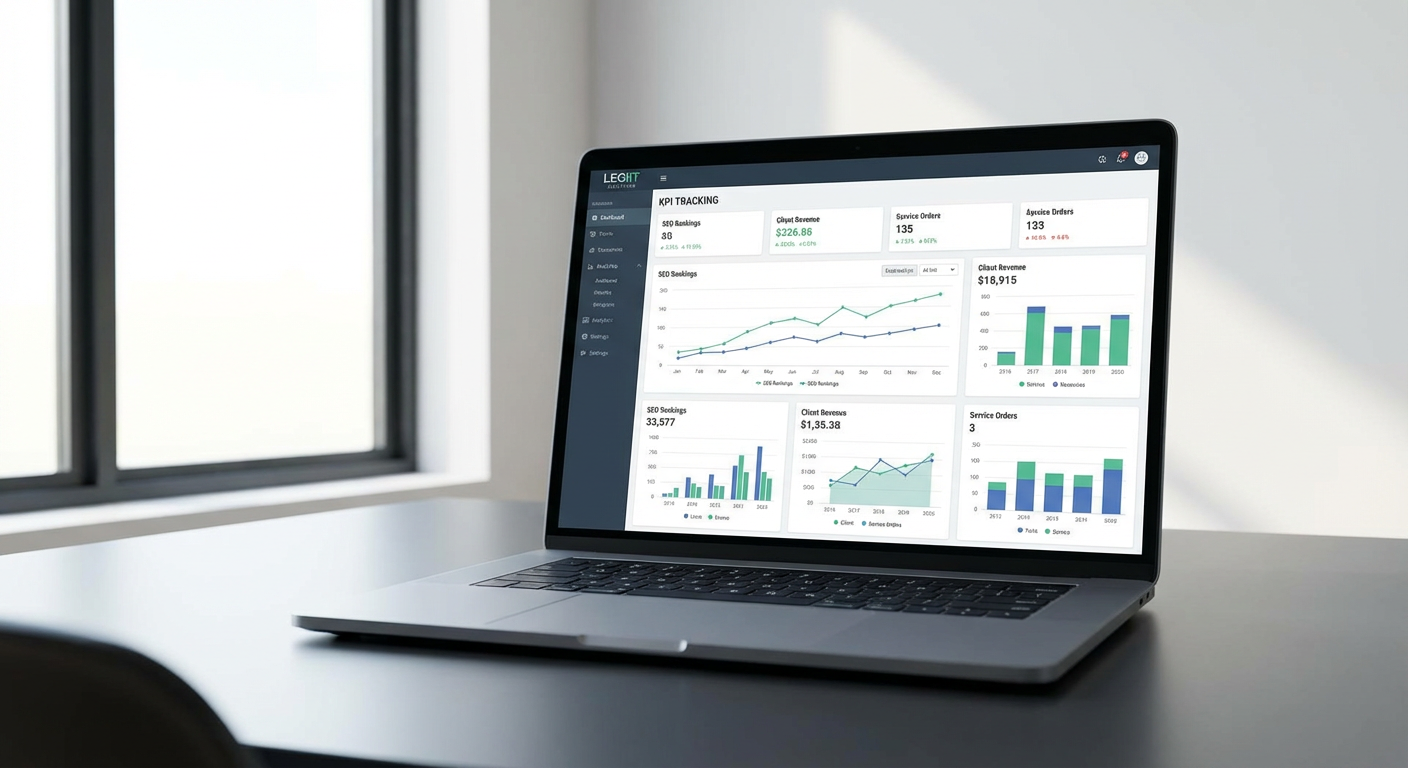
    Legiit offers more than just a marketplace for marketing services. It includes analytics features that help you track the performance of campaigns you’re running through the platform. If you’re outsourcing SEO work, content creation, or social media management through Legiit, you can monitor progress and results directly within your dashboard. This means you don’t have to jump between multiple tools to see how your hired services are affecting your marketing KPIs.

    The platform gives you visibility into project timelines, deliverables, and outcomes, which is particularly helpful if you’re managing several freelancers at once. You can see which services are driving the best results and make informed decisions about where to allocate your marketing budget. For small business owners and marketers who rely on external help, having this kind of transparency built into the service marketplace saves time and reduces confusion.

  2. KlipfolioKlipfolio

    Klipfolio takes a different approach by letting you build custom dashboards from scratch. Instead of forcing you into a template, it connects to hundreds of data sources and lets you pull exactly the metrics you care about. This flexibility makes it a strong choice if your marketing stack includes tools that don’t always play nicely together.

    You can create visualizations that combine data from your CRM, advertising platforms, email software, and website analytics all in one view. The learning curve is steeper than some plug-and-play options, but the payoff is a dashboard that matches your specific needs. If you need to track niche KPIs or industry-specific metrics, Klipfolio gives you the building blocks to make it happen without compromising on what you actually want to measure.

  3. Cyfe

    Cyfe positions itself as an all-in-one dashboard that’s particularly friendly for teams that don’t have a dedicated data analyst. The interface is straightforward, and you can get a functional dashboard running in less than an hour. It pulls data from popular marketing tools like Google Analytics, Facebook Ads, Mailchimp, and dozens of others through pre-built integrations.

    What makes Cyfe practical is its focus on simplicity without sacrificing depth. You can track website traffic, social media metrics, sales data, and email performance side by side. The tool also includes white-label options if you need to share reports with clients, and the pricing is reasonable for small to mid-sized marketing teams. It won’t win awards for the most advanced features, but it handles the fundamentals well and keeps your KPIs visible without making you work too hard for them.

  4. Geckoboard

    Geckoboard is built for teams that want their dashboards displayed on office screens or monitors where everyone can see them. The tool emphasizes real-time data and clean, readable visualizations that make sense from across the room. This makes it particularly useful if you want your marketing metrics to stay top of mind for the whole team.

    The setup process focuses on choosing which KPIs matter most and presenting them in a way that’s easy to scan quickly. You can connect it to your marketing platforms, sales tools, and support software to get a holistic view of how your efforts are affecting the business. Geckoboard works best when you have a clear idea of which three to five metrics you want to monitor constantly. It’s less about deep-dive analysis and more about keeping your most important numbers front and center where they won’t be ignored.

  5. Improvado

    Improvado targets mid-sized to large marketing teams that juggle dozens of data sources and need serious automation. This platform specializes in marketing data aggregation, pulling information from advertising platforms, analytics tools, CRMs, and more into a centralized warehouse. From there, you can push the data to your preferred visualization tool or use Improvado’s built-in reporting.

    The strength here is in handling complex data pipelines without requiring you to write code or manually export CSV files every week. If you’re running campaigns across Google Ads, Facebook, LinkedIn, TikTok, and other channels simultaneously, Improvado automates the collection and normalization of all that data. It’s a bigger investment than simpler dashboard tools, but for teams drowning in data from multiple sources, the time savings and accuracy improvements make it worthwhile. You’ll need a clear plan for how you want to use the data, but Improvado handles the heavy lifting of getting it all in one place.

  6. Mixpanel

    Mixpanel focuses specifically on product and user behavior analytics, which makes it valuable for marketers who care about what happens after someone clicks your ad or visits your site. Rather than just showing you pageviews and bounce rates, Mixpanel tracks how users interact with your product or website over time. You can see which features they use, where they drop off, and what paths lead to conversions.

    This level of detail helps you connect marketing efforts to actual user behavior and long-term retention. If you’re running campaigns to drive signups, Mixpanel shows you not just who signed up, but whether they became active users and what their journey looked like. The dashboard includes funnel analysis, cohort tracking, and retention reports that go beyond surface-level metrics. For marketers working on SaaS products, apps, or subscription services, Mixpanel fills in the gaps that traditional web analytics leave behind.

  7. Databox

    Databox strikes a balance between ease of use and customization, making it accessible for small teams while still offering enough power for more complex needs. The platform includes templates for common marketing scenarios, so you can start with a pre-built dashboard and modify it as you go. It connects to most major marketing tools and displays your KPIs through clean visualizations that update automatically.

    One feature that stands out is the mobile app, which gives you access to your dashboards when you’re away from your desk. You can check campaign performance, website traffic, and conversion metrics from your phone without logging into a desktop browser. Databox also includes goal tracking and alerts, so you get notified when metrics hit certain thresholds. This combination of accessibility and functionality makes it a practical choice for marketers who need reliable reporting without a steep learning curve or a massive budget.

  8. Supermetrics

    Supermetrics takes a different approach by acting as a data connector rather than a standalone dashboard. It pulls marketing data from platforms like Google Ads, Facebook, Instagram, LinkedIn, and many others, then sends that data to tools you already use like Google Sheets, Excel, Google Data Studio, or Tableau. This means you build your dashboards in familiar environments while Supermetrics handles the data collection.

    The advantage is flexibility. If your team already works in Google Sheets for reporting, Supermetrics keeps that workflow intact while automating the data updates. You don’t have to learn a new interface or convince everyone to switch tools. The downside is that you’re responsible for setting up the actual dashboard and visualizations, but for teams that prefer control over their reporting format, this approach works well. Supermetrics is particularly strong if you’re managing paid advertising across multiple platforms and need to consolidate spend and performance data regularly.

  9. Plausible Analytics

    Plausible Analytics offers a refreshingly simple alternative to complex analytics platforms, focusing specifically on website metrics that actually matter. The dashboard fits on a single screen and shows you visitors, pageviews, bounce rate, visit duration, and traffic sources without overwhelming you with dozens of metrics you’ll never use. It’s also privacy-focused, which means it doesn’t use cookies and complies with privacy regulations without requiring cookie banners.

    For content marketers and small business owners who just need to know if their website traffic is growing and where visitors are coming from, Plausible removes the noise. The interface loads quickly, the data is easy to understand, and you can share reports with teammates or clients through simple links. It won’t replace a full analytics suite if you need detailed conversion tracking or e-commerce analytics, but for monitoring core website KPIs without the bloat, Plausible gets the job done efficiently.

Choosing the right analytics dashboard comes down to matching the tool to your specific needs and workflow. Some platforms excel at pulling together data from multiple sources, while others focus on simplicity and ease of use. Consider which marketing channels you’re most active on, what KPIs you check most often, and whether you need something your whole team can use or a more specialized tool for deep analysis. The best dashboard is the one you’ll actually check regularly and that gives you actionable information, not just more data to sift through. Start with the metrics that directly affect your business goals, and pick a tool that makes tracking those numbers as straightforward as possible.

12 Platforms to Hire PPC & Paid Ads Specialists Without the Hassle

12 Platforms to Hire PPC & Paid Ads Specialists Without the Hassle

Running paid advertising campaigns can drain your budget fast if you don’t have the right expertise behind them. Whether you’re a small business owner trying to crack Google Ads or a marketing manager who needs extra hands for a Facebook campaign, finding a qualified PPC specialist shouldn’t feel like another full-time job. This list walks you through twelve platforms where you can hire skilled paid ads professionals, each offering different advantages depending on your needs, timeline, and budget. From freelance marketplaces to specialized agencies, you’ll find practical options to get your campaigns running smoothly.

  1. LegiitLegiit

    Legiit focuses specifically on digital marketing services, which means you won’t wade through listings for graphic designers or virtual assistants when you need a PPC expert. The platform attracts specialists who work in SEO, paid ads, content marketing, and related fields, so the talent pool understands marketing language and objectives from day one.

    What makes Legiit particularly useful is its service-based structure. Specialists list their offerings as packages with clear deliverables, timelines, and pricing. You can browse through PPC audit services, campaign setup packages, or ongoing management options without negotiating every detail from scratch. Many providers also offer different tiers, letting you start small and scale up as you see results.

    The review system helps you evaluate specialists based on past client experiences, and the platform handles payments securely. If you want to hire someone who understands the marketing side of your business and can get to work quickly, Legiit provides a straightforward path to finding that person.

  2. MaypleMayple

    Mayple takes a matchmaking approach to hiring marketing specialists. Instead of browsing hundreds of profiles yourself, you fill out a questionnaire about your business, goals, and budget, then Mayple’s team connects you with vetted experts from their network.

    This platform focuses heavily on quality control. Every specialist goes through a vetting process that includes reviewing their past campaign performance and client results. You get matched with someone whose experience aligns with your industry and advertising needs, whether that’s ecommerce, B2B, or local services.

    The trade-off is less browsing flexibility, but you save time on screening candidates. Mayple also provides project management tools and regular check-ins to keep campaigns on track. If you prefer a more guided hiring process and don’t want to manage the search yourself, this platform handles much of that legwork for you.

  3. Sortlist

    Sortlist operates as a connection platform between businesses and marketing agencies rather than individual freelancers. When you need a full-service approach to paid advertising, this becomes particularly valuable.

    You describe your project requirements, budget, and timeline, then Sortlist’s algorithm suggests agencies that match your criteria. The platform includes thousands of agencies across different specializations and geographic locations. Each agency profile includes case studies, client reviews, and detailed information about their services and team size.

    This works well when your paid ads needs extend beyond campaign management into strategy development, creative production, or multi-channel coordination. Agencies often bring teams with complementary skills, so your PPC specialist works alongside designers, copywriters, and analysts. The downside is typically higher costs compared to individual freelancers, but you gain broader capabilities and support.

  4. Gun.io

    Gun.io originally built its reputation in software development but expanded into digital marketing with the same rigorous vetting standards. Only about 3% of applicants make it through their screening process, which includes technical assessments and background checks.

    For PPC hiring, this means you get access to specialists who can handle complex technical setups. Think conversion tracking across multiple platforms, integrating analytics tools, or building custom reporting dashboards alongside campaign management. The platform works best for businesses with sophisticated tracking needs or those running campaigns that require coordination with development teams.

    Gun.io offers both freelance and full-time placement options. Their matching process includes consultation calls to understand your requirements, then they present pre-screened candidates. The service costs more than typical freelance marketplaces, but the time saved on vetting and the reduced risk of bad hires often justify the premium for companies with specific technical requirements.

  5. We Work Remotely

    We Work Remotely operates as a job board rather than a marketplace, making it ideal when you want to hire a PPC specialist for a long-term position instead of a project. The site attracts remote workers specifically, so everyone applying expects and prefers remote arrangements.

    Posting a job listing here reaches marketing professionals who actively seek remote roles, including experienced PPC specialists tired of agency life or looking for more flexible arrangements. You handle the screening, interviewing, and hiring process yourself, which gives you complete control but requires more time investment upfront.

    The platform charges a flat fee per job posting, with no commissions or ongoing costs once you hire someone. This makes financial sense for full-time or long-term contract positions where marketplace percentages would add up quickly. The community skews toward experienced professionals rather than beginners, so you’ll typically see applications from people with solid track records in paid advertising.

  6. Directive Consulting

    Directive Consulting specializes in B2B and SaaS marketing, including paid advertising for companies with longer sales cycles and higher customer values. Rather than a platform where you browse providers, Directive operates as a single agency that you can hire directly.

    Their PPC specialists understand the specific challenges of B2B paid advertising, from targeting decision-makers on LinkedIn to managing Google Ads campaigns that support multi-touch attribution models. They work with your sales team to align campaign messaging with actual customer conversations and pain points.

    This option makes sense when your paid ads strategy needs to account for complex buyer journeys, multiple stakeholders, and longer conversion windows. The agency model means higher minimum budgets than hiring individual freelancers, but you get integrated support across strategy, execution, and reporting. Their team stays up to date on B2B-specific tactics that generic PPC specialists might not prioritize.

  7. Codeable

    Codeable focuses exclusively on WordPress experts, which might seem odd for a PPC hiring list. However, many paid advertising challenges actually stem from website issues rather than campaign problems. Slow loading times, poor mobile experiences, confusing checkout processes, and broken tracking codes all kill campaign performance.

    The platform connects you with WordPress specialists who understand how website performance affects paid advertising results. Some Codeable experts specifically market themselves as conversion optimization specialists who can fix the landing page problems that waste your ad budget.

    If your PPC campaigns send traffic to WordPress sites and you suspect technical issues hurt your conversion rates, hiring through Codeable gets you someone who can diagnose and fix those problems. You might still need a separate PPC specialist for campaign management, but addressing website performance often delivers better returns than campaign tweaking alone. The vetting process ensures you work with legitimate WordPress professionals rather than hobbyists.

  8. Clarity

    Clarity connects you with marketing experts for phone consultations rather than ongoing work. This serves a different purpose than other platforms but solves real problems for businesses managing paid advertising.

    Say you’re running PPC campaigns yourself or with a small team, but you need expert input on strategy, audit your current setup, or get unstuck on a specific problem. Clarity lets you book calls with experienced PPC specialists who charge by the minute. You get direct access to their knowledge without committing to a long-term hire.

    This works particularly well for second opinions on agency recommendations, validating your strategy before spending large budgets, or learning enough to manage campaigns more effectively yourself. Many consultants on Clarity have run millions in ad spend and worked with hundreds of clients, so they’ve seen patterns and solutions you won’t find in blog posts. The per-minute pricing keeps consultations focused and efficient, and you can try different experts until you find someone whose advice resonates with your situation.

  9. Mayple

    PeoplePerHour operates as a European-based freelance marketplace with strong representation of marketing professionals. The platform uses a credit system where you purchase credits then spend them on projects, which some businesses find simpler than per-project pricing negotiations.

    For PPC hiring, you can post projects or browse specialist profiles based on skills, hourly rates, and past work. The platform includes both hourly and fixed-price arrangements, giving flexibility based on your needs. Many UK and European businesses prefer PeoplePerHour because it handles VAT correctly and operates in pounds and euros natively.

    The quality range varies widely, from beginners building portfolios to established consultants with agency backgrounds. The review system helps identify reliable specialists, but you’ll need to screen carefully. One advantage is the WorkStream feature, which provides a central place for communication, file sharing, and milestone tracking. This keeps project details organized, especially when working with multiple freelancers across different campaigns or platforms.

  10. LinkedIn ProFinder

    LinkedIn ProFinder connects businesses with freelance professionals directly through LinkedIn’s platform. Since it pulls from LinkedIn profiles, you can verify someone’s work history, recommendations, and professional network before hiring them.

    For PPC specialists, this verification matters more than for some other roles. You can see if they actually worked at the agencies they claim, check recommendations from past clients or colleagues, and review any content they’ve published about paid advertising. The professional context of LinkedIn also tends to attract more experienced specialists rather than beginners.

    You submit project requests, and interested freelancers respond with proposals. LinkedIn shows you their full profiles alongside proposals, making it easy to evaluate both their pitch and their background. The platform doesn’t charge commissions, so specialists can offer competitive rates. The main limitation is smaller talent pool compared to dedicated freelance marketplaces, but the quality of vetting through professional profiles often compensates for fewer options.

  11. Twine

    Twine positions itself as a marketplace for creative and marketing professionals, with particularly strong representation in content creation, design, and campaign development. The platform attracts PPC specialists who think beyond just bidding and optimization to include creative strategy.

    This becomes valuable when your paid advertising performance depends as much on ad creative and messaging as on technical campaign management. Twine’s specialists often have backgrounds in brand marketing or creative agencies, bringing a different perspective than performance-focused PPC managers.

    The platform uses a matching system where you describe your project and receive proposals from interested specialists. Each profile includes portfolios showcasing past campaign work, making it easier to evaluate their creative approach. Twine works well for businesses that need fresh angles on tired campaigns or want to test whether better creative will improve performance more than technical optimizations. The trade-off is potentially less emphasis on the analytical and technical aspects of PPC management.

  12. Worksome

    Worksome operates as a freelance management system that helps companies hire, pay, and manage independent contractors compliantly. While not exclusively a hiring platform, it solves real problems when you need to bring on PPC specialists, especially across different countries.

    The platform handles contracts, invoicing, payments, and compliance issues that trip up businesses hiring international freelancers. If you find a great PPC specialist in another country but worry about legal and tax implications, Worksome manages those details. You get access to global talent without needing to become an expert in international contractor law.

    Worksome also provides tools for managing multiple freelancers if you’re building a distributed marketing team. You can track hours, approve invoices, and maintain consistent processes across different specialists. This makes more sense for companies hiring several marketing freelancers or planning to scale their team over time rather than one-off projects. The service adds costs beyond what you pay specialists directly, but the administrative time saved and compliance protection often justify the expense for businesses with complex freelance needs.

Finding the right PPC specialist doesn’t require a one-size-fits-all approach. Some businesses need quick project help, others want long-term team members, and many fall somewhere in between. The platforms on this list address different hiring scenarios, from vetted freelancers ready to start immediately to agencies offering full-service support. Consider what matters most for your situation. Do you need someone who can start this week, or can you invest time in a thorough hiring process? Are you comfortable managing the work yourself, or do you want guided support? Your answers will point you toward the platform that fits your needs. Pick one, start conversations with a few specialists, and remember that finding the right match often takes trying a couple of options before everything clicks.

10 Marketplaces Where Agencies Find Their Best Remote Partners

10 Marketplaces Where Agencies Find Their Best Remote Partners

Finding the right remote partners for your agency can make the difference between struggling to scale and building a thriving operation. Whether you need specialized talent for client projects or want to white-label services, the right marketplace connects you with vetted professionals who understand agency workflows. This list walks you through ten platforms where agencies successfully find and collaborate with remote partners, from freelancers to full-service providers.

  1. LegiitLegiit

    Legiit stands out as a marketplace built specifically for digital marketing services, making it a natural fit for agencies that need reliable remote partners. The platform connects agencies with specialists in SEO, content writing, web design, paid advertising, and social media management. What makes Legiit particularly useful for agency work is its focus on done-for-you services rather than hourly freelancers, which means you can white-label complete deliverables for your clients.

    The marketplace includes detailed seller profiles with real reviews, portfolio samples, and clear pricing structures that help you evaluate potential partners quickly. Many agencies use Legiit to fill skill gaps without hiring full-time staff, allowing them to take on more diverse client projects. The platform also offers buyer protection and a straightforward communication system that keeps project details organized. For agencies looking to scale their service offerings without the overhead of a large in-house team, Legiit provides a dependable pool of marketing professionals ready to collaborate.

  2. ContraContra

    Contra positions itself as a commission-free platform where independent professionals showcase their work and connect with clients. For agencies, this means access to a curated community of creatives and specialists without platform fees eating into project budgets. The interface emphasizes portfolios and past work, making it easier to assess whether a potential partner’s style aligns with your agency’s standards.

    The platform attracts high-quality designers, developers, writers, and strategists who prefer working on meaningful projects rather than competing on price. Many agencies appreciate that Contra handles contracts and payments smoothly while letting both parties keep more of the project value. The search and filter tools help you find partners based on skills, availability, and previous client feedback.

  3. We Work Remotely

    We Work Remotely operates primarily as a job board, but it has become a valuable resource for agencies seeking long-term remote partnerships. The platform attracts serious professionals looking for substantial remote work, not just quick gigs. If your agency needs someone to embed with your team for months or even years, this is where you’ll find committed talent.

    The candidates on We Work Remotely tend to have strong backgrounds and prefer stable working relationships over project-hopping. Agencies post openings for contract positions, part-time roles, or full-time remote staff, then review applications from pre-screened professionals. The platform’s reputation for quality means you spend less time filtering through unqualified candidates. For agencies building distributed teams or establishing ongoing partnerships with specialists, We Work Remotely delivers candidates who understand remote collaboration and value consistency.

  4. Toptal

    Toptal maintains a rigorous screening process that accepts only the top percentage of applicants, making it a go-to marketplace for agencies that need elite-level talent. The platform specializes in developers, designers, finance experts, and project managers who can handle complex requirements. When your agency lands a high-stakes client or needs someone to architect a sophisticated solution, Toptal provides access to professionals who won’t need hand-holding.

    The matching process involves working with Toptal’s team to define your exact needs, then receiving a curated shortlist of candidates within days. Most agencies appreciate the speed and quality of matches, though the premium talent comes with premium rates. Toptal handles vetting, contracts, and payments, which reduces administrative burden. If your agency prioritizes expertise over budget constraints and needs partners who can contribute from day one, Toptal’s selective marketplace delivers reliable results.

  5. Gun.io

    Gun.io focuses specifically on connecting agencies and companies with freelance software developers and engineers. The platform pre-vets all developers through technical assessments and background checks, which saves your agency considerable time during the hiring process. If your agency builds web applications, mobile apps, or custom software for clients, Gun.io provides access to skilled developers who understand agency timelines and client expectations.

    The matching system considers both technical skills and soft skills like communication and reliability, which matter tremendously when coordinating remote development work. Gun.io also offers flexible engagement models, from short-term projects to long-term embedded roles. Many agencies form ongoing partnerships with developers they meet through the platform, eventually treating them as extension of their core team. The platform manages contracts and payments while providing support if issues arise during projects.

  6. Mayple

    Mayple takes a different approach by matching agencies and businesses with vetted marketing experts based on specific campaign needs and industry experience. The platform uses an algorithm that considers your project requirements, budget, and goals, then recommends specialists who have proven success in similar situations. For agencies that need to supplement their marketing capabilities or bring in niche expertise, Mayple streamlines the search process considerably.

    What sets Mayple apart is the performance focus built into each partnership. The platform tracks campaign results and holds marketers accountable to clear metrics, which helps agencies maintain quality standards for client work. You can find specialists in paid search, social media advertising, email marketing, conversion optimization, and other channels. The matching process typically takes a few days, and Mayple provides ongoing support throughout the partnership to ensure deliverables meet expectations.

  7. Workana

    Workana operates as a major freelance marketplace throughout Latin America, connecting agencies with talented professionals across the region. For agencies seeking Spanish or Portuguese-speaking partners, or those working with Latin American clients, Workana provides access to a large pool of developers, designers, writers, and marketers. The platform handles multiple currencies and payment methods, making cross-border collaboration straightforward.

    The marketplace includes detailed freelancer profiles with skills assessments, work history, and client reviews that help you evaluate potential partners. Workana offers project-based hiring and hourly contracts, with built-in tools for time tracking and milestone management. Many agencies appreciate the cost advantages of working with Latin American talent while still receiving high-quality deliverables. The platform’s dispute resolution system and secure payment process add protection for both agencies and freelancers throughout the collaboration.

  8. Gigster

    Gigster specializes in assembling complete project teams rather than connecting you with individual freelancers. When your agency needs to deliver a complex software project but lacks the full technical team, Gigster builds a custom group of developers, designers, and project managers matched to your specific requirements. The platform handles team assembly, project management, and delivery, functioning almost like a white-label development shop.

    This approach works particularly well for agencies that sell software development services but don’t maintain large technical teams in-house. Gigster’s project managers coordinate the work, provide regular updates, and ensure deliverables meet specifications. The platform uses fixed-price project structures with clear milestones, which helps agencies manage client budgets and expectations. While Gigster’s services come at a premium compared to hiring individual freelancers, the reduced management overhead and reliable delivery make it valuable for agencies handling multiple concurrent projects.

  9. CloudPeeps

    CloudPeeps focuses specifically on marketing, content, and community management professionals, making it a targeted resource for agencies in those spaces. The platform maintains a carefully curated community of specialists rather than accepting anyone who applies. For agencies that need writers, social media managers, content strategists, or community builders, CloudPeeps provides access to professionals who understand modern marketing workflows.

    The marketplace emphasizes long-term relationships over one-off projects, which aligns well with how agencies typically work with remote partners. You can browse detailed profiles, review work samples, and read testimonials from other clients before reaching out. CloudPeeps handles contracts and payments while maintaining a community atmosphere that encourages collaboration. Many agencies find that the quality-over-quantity approach means less time sorting through candidates and more time working with people who can contribute meaningfully to client projects.

  10. Codeable

    Codeable operates exclusively in the WordPress space, connecting agencies with expert WordPress developers and consultants. If your agency builds or maintains WordPress sites for clients, Codeable provides access to specialists who can handle everything from custom theme development to complex plugin integration. The platform accepts only a small fraction of developer applications, ensuring that everyone in the network maintains high technical standards.

    The matching process involves describing your project requirements, then receiving proposals from qualified developers within hours. Codeable handles all contracts, payments, and dispute resolution, which simplifies the administrative side of working with remote partners. Many agencies use Codeable to handle overflow work during busy periods or to access specialized WordPress expertise they don’t maintain in-house. The platform’s focus on a single technology stack means developers truly understand the nuances of WordPress development rather than being generalists who dabble in multiple platforms.

The right marketplace depends on what your agency needs most, whether that’s specialized marketing talent, technical developers, creative professionals, or complete project teams. Each platform on this list serves different use cases and attracts different types of professionals, so consider your typical project requirements, budget constraints, and preferred working relationships when choosing where to find partners. The good news is that remote collaboration tools and established marketplaces have made it easier than ever to build a distributed network of reliable partners who help your agency deliver excellent results for clients. Start with one or two platforms that align best with your services, build relationships with quality partners, and expand from there as your agency grows.