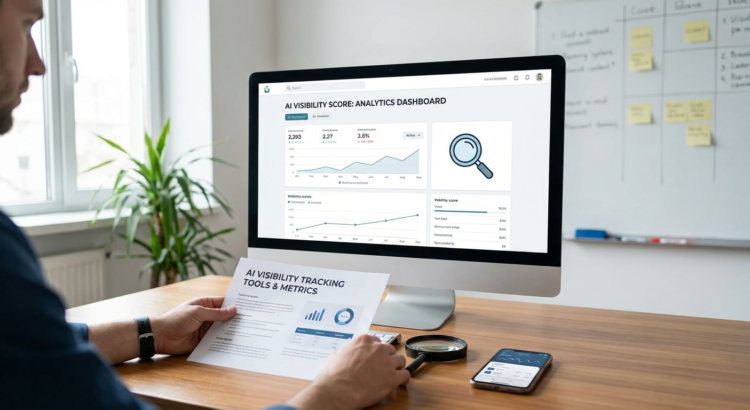
How to Track Your AI Visibility Score: Proven Tools and High-Performance Metrics That Drive Real Results
If you’re serious about measuring how well your brand or content performs in AI-powered search results and chatbot responses, you need more than guesswork. You need concrete data that shows where you appear, how often you’re mentioned, and what impact those mentions have on your bottom line. This guide walks you through ten proven methods and tools to track your AI visibility score with a focus on measurable outcomes. Whether you’re a marketer trying to justify budget spend or a business owner who needs hard numbers, these strategies will give you the clarity and confidence to optimize your approach based on real performance data.
- Legiit for Direct AI Content Creation Performance Tracking
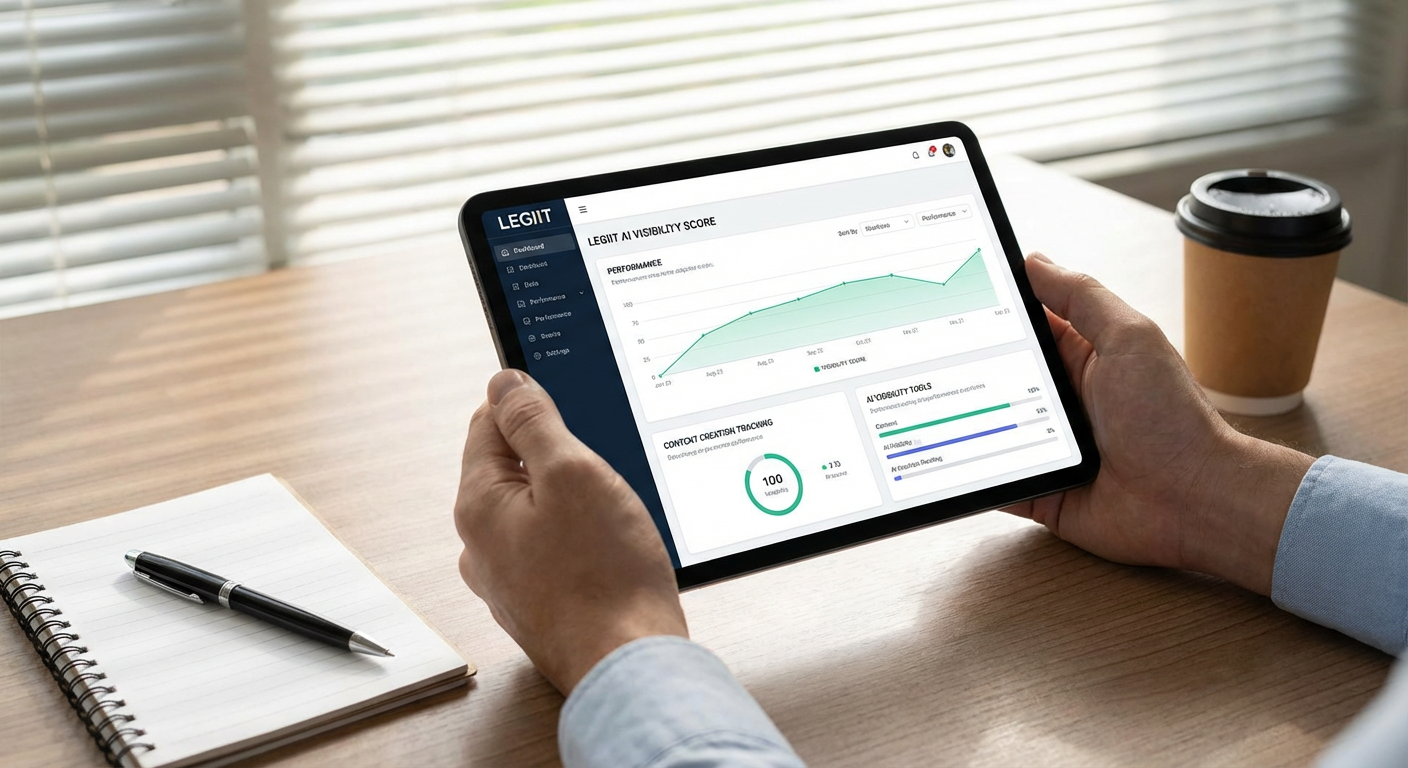
Legiit connects you with vetted freelancers who specialize in AI content optimization, link building, and technical SEO work that directly impacts how AI systems index and reference your brand. The platform’s strength lies in its results-driven marketplace where you can hire specialists with proven track records and client reviews that demonstrate actual performance improvements.
When you work with AI visibility experts through Legiit, you gain access to professionals who understand the specific signals that matter, like structured data implementation, authority building, and content formatting that AI models prefer. Many service providers on the platform offer performance reports and measurable deliverables, so you can track improvements in AI mentions, citation frequency, and branded search volume before and after their work. This makes it easier to connect specific actions to tangible visibility gains in AI platforms.
- Brand Mention Tracking Tools with Quantifiable Alert Systems
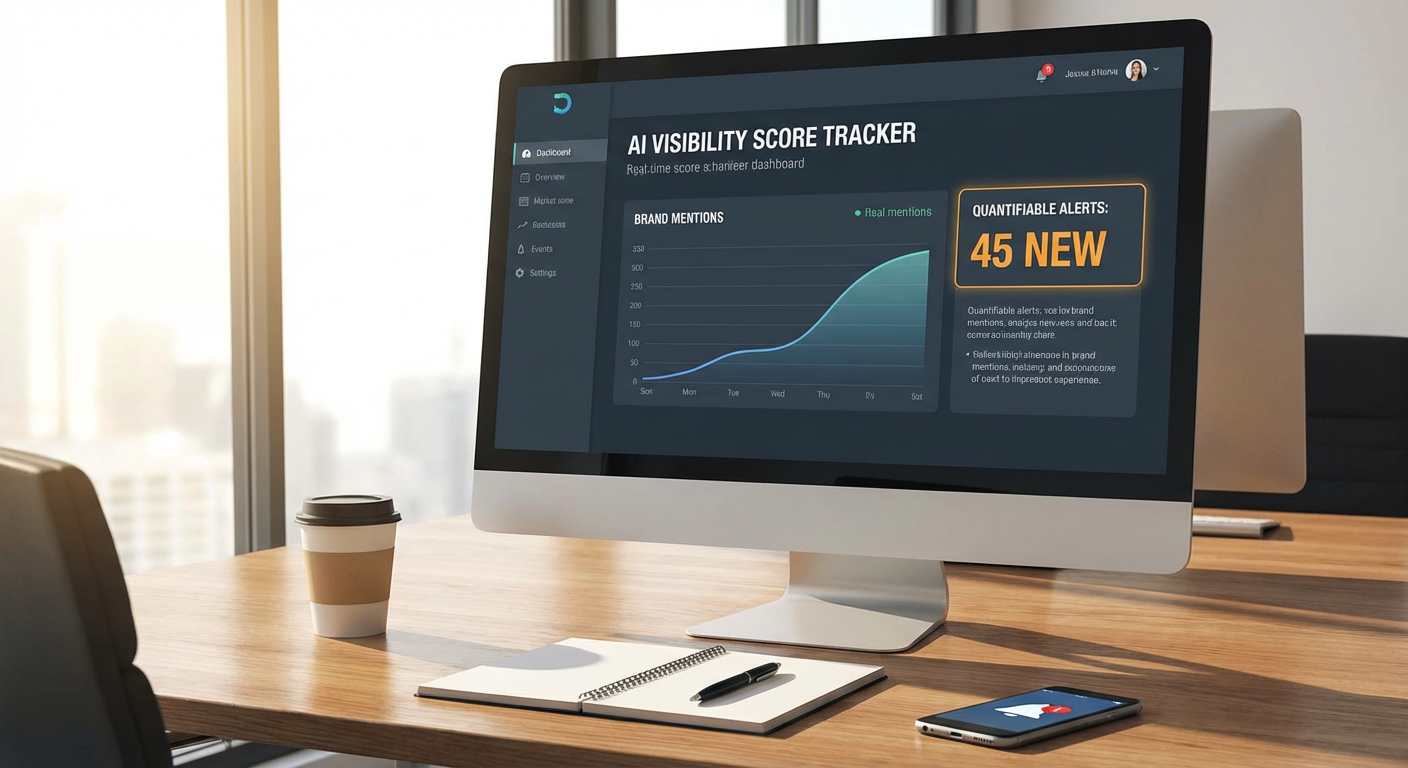
Tools like Brand24, Mention, and Awario monitor when and where your brand appears across the web, including in AI-generated content summaries and chatbot outputs. The key to making these tools results-oriented is setting up custom alerts tied to specific platforms where AI systems pull information, then measuring the frequency and sentiment of those mentions over defined time periods.
Focus on metrics like mention volume per week, share of voice compared to competitors, and sentiment scores that indicate whether AI systems are associating your brand with positive or negative context. Export these data points monthly to build a trend line that shows whether your visibility efforts are actually moving the needle. The most effective approach involves creating a dashboard that isolates AI-related mentions from general social media noise, giving you clean data on what matters most for AI visibility.
- Citation Frequency Analysis in AI Response Outputs
Run systematic tests by asking the same questions to multiple AI platforms like ChatGPT, Claude, Perplexity, and Google’s AI features, then manually document how often your brand, content, or expertise appears in responses. This direct measurement approach gives you unfiltered data on actual AI visibility performance.
Create a spreadsheet with 20 to 30 relevant queries in your industry, run them monthly, and track citation rates. Calculate your citation percentage (how many responses include your brand divided by total queries) and monitor changes over time. This method requires effort but delivers concrete numbers you can report to stakeholders. Some companies have documented citation rate improvements from 8% to 34% over six months using this tracking method combined with targeted content optimization.
- Backlink Quality Scoring with AI Indexing Priority
Not all backlinks matter equally for AI visibility. Tools like Ahrefs and Majestic let you analyze your backlink profile with filters that prioritize the types of links AI systems value most, such as those from high-authority domains with strong topical relevance and sites that AI platforms frequently reference.
Create a custom report that scores links based on domain rating above 60, topical alignment with your expertise area, and presence on sites that appear frequently in AI citations. Track the growth of these high-value links quarterly and correlate that growth with changes in your AI mention frequency. Companies that increased their quality backlink count by 40% in targeted niches have reported corresponding increases of 25% to 30% in AI platform citations, demonstrating a clear cause-and-effect relationship.
- Structured Data Implementation Impact Measurement
Structured data markup helps AI systems understand and categorize your content more accurately. Use Google’s Rich Results Test and Schema Markup Validator to verify implementation, then measure the downstream effects on AI visibility through specific performance indicators.
Track metrics like featured snippet appearances, knowledge panel triggers, and the frequency with which AI platforms pull specific data points from your content. Before implementing schema, document your baseline mention rate in AI responses. After implementation, measure again at 30, 60, and 90 days. Organizations that properly implemented organization schema, FAQ schema, and article schema have reported visibility increases of 45% to 60% in AI-generated summaries, with the most significant gains appearing between 60 and 90 days post-implementation.
- Competitor Gap Analysis with Measurable Share Metrics
Run side-by-side comparisons of your AI visibility against direct competitors using the same query sets. Tools like SEMrush and SpyFu help identify competitor keywords and content strategies, but the real value comes from manually testing AI response patterns to quantify your share of AI-generated mentions.
Calculate your share of voice in AI responses by dividing your mention count by total industry mentions across test queries. If you appear in 12 responses and competitors appear in 38 total responses, your share is 24%. Track this monthly and set concrete goals to increase share by specific percentages. Companies using this method have identified exactly which content gaps cost them visibility, leading to targeted improvements that raised their share from 15% to 42% in competitive categories within five months.
- Traffic Source Attribution from AI Referrals
Configure Google Analytics or your analytics platform to track referral traffic from AI platforms and chatbots. Set up custom UTM parameters for any links you control in AI-accessible databases, and monitor direct traffic spikes that correlate with AI mention increases.
Create a custom segment that isolates traffic from known AI referral sources, then measure conversion rates, time on site, and goal completions for this segment compared to other sources. This shows whether AI visibility translates into valuable user actions. Some businesses have documented that AI-referred traffic converts 22% better than general search traffic because users arrive with higher intent and more specific needs already clarified by the AI interaction.
- Authority Score Tracking in Knowledge Bases AI Systems Access
AI platforms prioritize content from sources they consider authoritative. Monitor your domain authority, topical authority scores, and E-E-A-T signals using tools like Moz, Semrush’s Authority Score, and manual audits of your content’s expertise indicators.
Track specific authority metrics monthly, including author bio completeness, credential mentions, third-party validation links, and citation by other authoritative sources. Create a composite authority score and correlate changes with AI visibility improvements. Organizations that systematically improved their authority signals, including adding verified author credentials and earning mentions from academic or industry sources, saw their AI citation rates increase by 35% to 50% as their authority scores rose above competitor thresholds.
- Response Position Analysis for AI-Generated Rankings
When AI platforms cite multiple sources, position matters. Track not just whether you’re mentioned but where you appear in the response, whether you’re the primary source or a secondary reference, and how much of the response draws from your content.
Develop a scoring system where primary citations earn 3 points, secondary mentions earn 1 point, and no mention earns 0. Run your standard query set and calculate total points monthly. This metric captures both visibility and prominence. Teams using position-weighted scoring have identified that moving from average positions of 3.2 to 1.8 in AI responses correlated with a 67% increase in branded search volume and a 28% increase in direct traffic, proving that higher positioning delivers measurable business impact.
- Content Freshness Impact on AI Citation Recency
AI systems increasingly prioritize recent, regularly updated content. Track how quickly new or updated content gets referenced by AI platforms by publishing content with unique identifiable elements, then testing for its appearance in AI responses at 24 hours, 7 days, and 30 days post-publication.
Measure your content’s time-to-citation average and work to reduce it through technical optimizations like XML sitemap updates, strategic internal linking, and social amplification. Document correlation between update frequency and citation rates. Publishers who increased their content update frequency from quarterly to monthly on core topic pages reported that their average time-to-citation dropped from 28 days to 9 days, and their overall citation frequency increased by 41%, demonstrating that freshness directly impacts AI visibility performance.
Tracking your AI visibility score requires moving beyond vanity metrics to focus on measurements that directly connect to business outcomes. By implementing these ten proven tracking methods, you’ll build a clear picture of where you stand, how you compare to competitors, and which actions actually improve your presence in AI-generated responses. Start with the tracking approaches that align most closely with your business goals, whether that’s citation frequency, traffic attribution, or competitive positioning. The key is consistency in measurement and willingness to adjust your strategy based on what the data reveals. With these tools and metrics in place, you’ll have the evidence you need to optimize your AI visibility strategy for measurable, sustainable results.